How Long Does Paint Protection Film Last in Texas?
If you've invested in a new vehicle or simply want to keep your current one looking its best, paint protection film (PPF) is one of the smartest upgrades you can make. But if you live in North Texas, one question comes up more than almost any other: How long does paint protection film actually last in Texas?
It's a fair question. Texas weather is anything but gentle on vehicle paint. Intense UV exposure, triple-digit summer temperatures, highway debris, unpredictable storms, construction zones, and long commutes all put constant stress on your vehicle's exterior.
The good news? Modern, professionally installed paint protection film is designed to withstand these challenges. With proper installation and regular maintenance, high-quality PPF can protect your vehicle for up to 10 years, depending on the product, driving habits, and environmental conditions.
At Humble Crew Auto Spa in Plano, TX, we help drivers protect everything from daily commuters to luxury vehicles, Teslas, performance cars, and family SUVs. As a Ceramic Pro Certified Paint Protection Film installer, we believe long-lasting protection starts with quality materials, expert installation, and honest recommendations.
Let's take a closer look at what determines the lifespan of paint protection film in Texas.
Why Texas Is Hard on Vehicle Paint
Texas presents one of the toughest environments for automotive paint.
Unlike regions where winter road salt is the primary concern, North Texas exposes vehicles to a combination of environmental factors throughout the entire year.
Some of the biggest threats include:
● Intense UV radiation,
● Extreme summer temperatures,
● Gravel and loose road debris,
● Construction zones,
● Insects during warmer months,
● Bird droppings,
● Tree sap,
● Hard water spots,
● Wind-blown dust and sand.
Every mile driven creates opportunities for tiny rock chips, scratches, and surface damage. Over time, even careful drivers begin noticing imperfections, especially on high-impact areas like the front bumper, hood, mirrors, rocker panels, and fenders.
Paint protection film acts as a sacrificial layer, absorbing impacts before they reach your factory paint.
How Long Does Paint Protection Film Last?
There isn't one universal answer because several factors influence longevity.
Generally speaking:
● Entry-level films: around 5 years
● Premium professional films: 7–10 years or more.
Well-maintained premium installations often remain in excellent condition throughout their warranty period
Many premium manufacturers now offer warranties of up to 10 years against issues such as yellowing, cracking, bubbling, or delamination when installed according to manufacturer specifications.
However, it's important to understand that a warranty isn't the same thing as expected performance. A professionally installed film that's properly maintained can continue protecting your vehicle well beyond the minimum warranty period.
What Actually Determines the Lifespan of PPF?
Many people assume the film itself is the only factor.
In reality, longevity depends on several variables working together.
1. Film Quality
Modern premium films use advanced thermoplastic polyurethane (TPU), offering:
● Exceptional flexibility,
● Superior impact resistance,
● UV stability,
● Self-healing properties,
● Optical clarity,
● Resistance to staining.
Lower-quality films often become brittle faster, discolor more easily, or lose clarity over time.
This is one reason why choosing an experienced installer who uses trusted, professional-grade products matters.
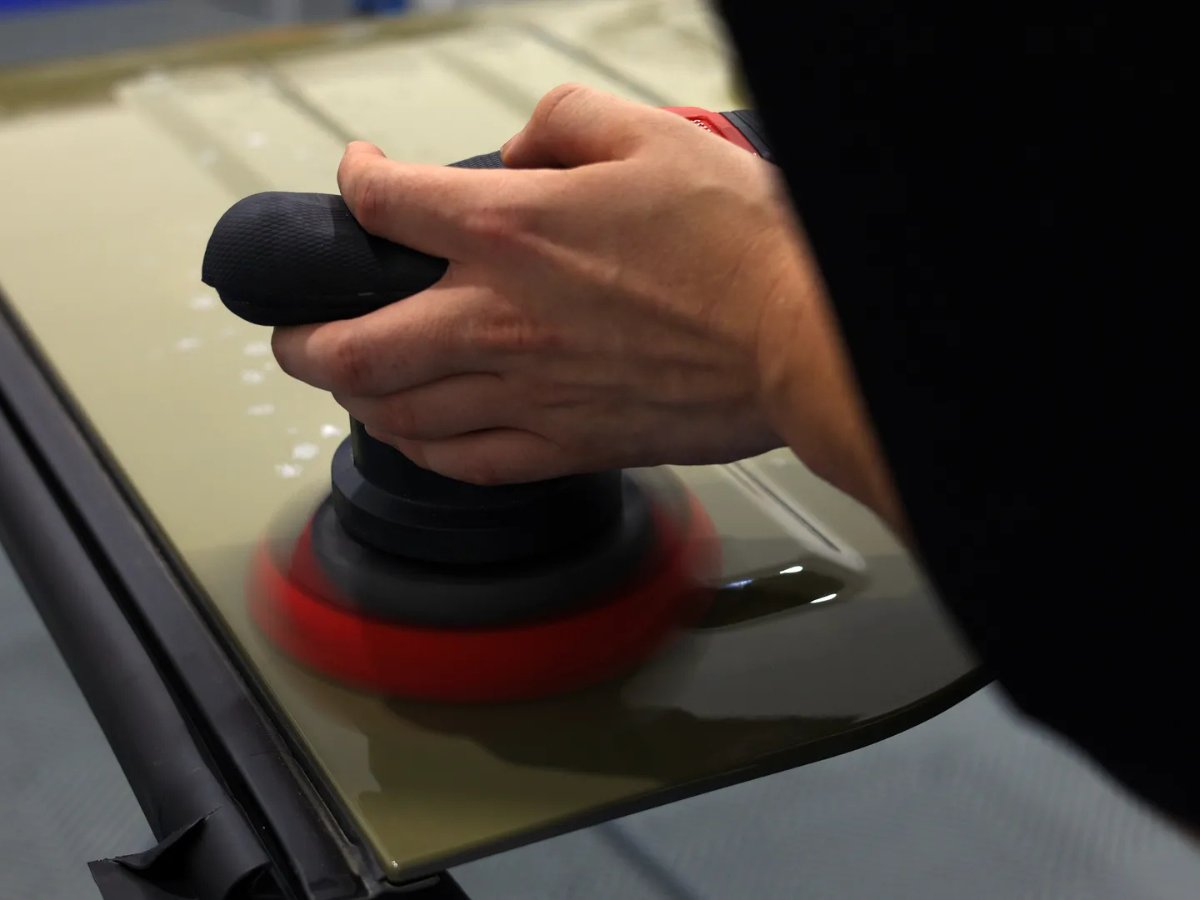
2. Installation Quality
Even the highest-quality film can fail if installed incorrectly.
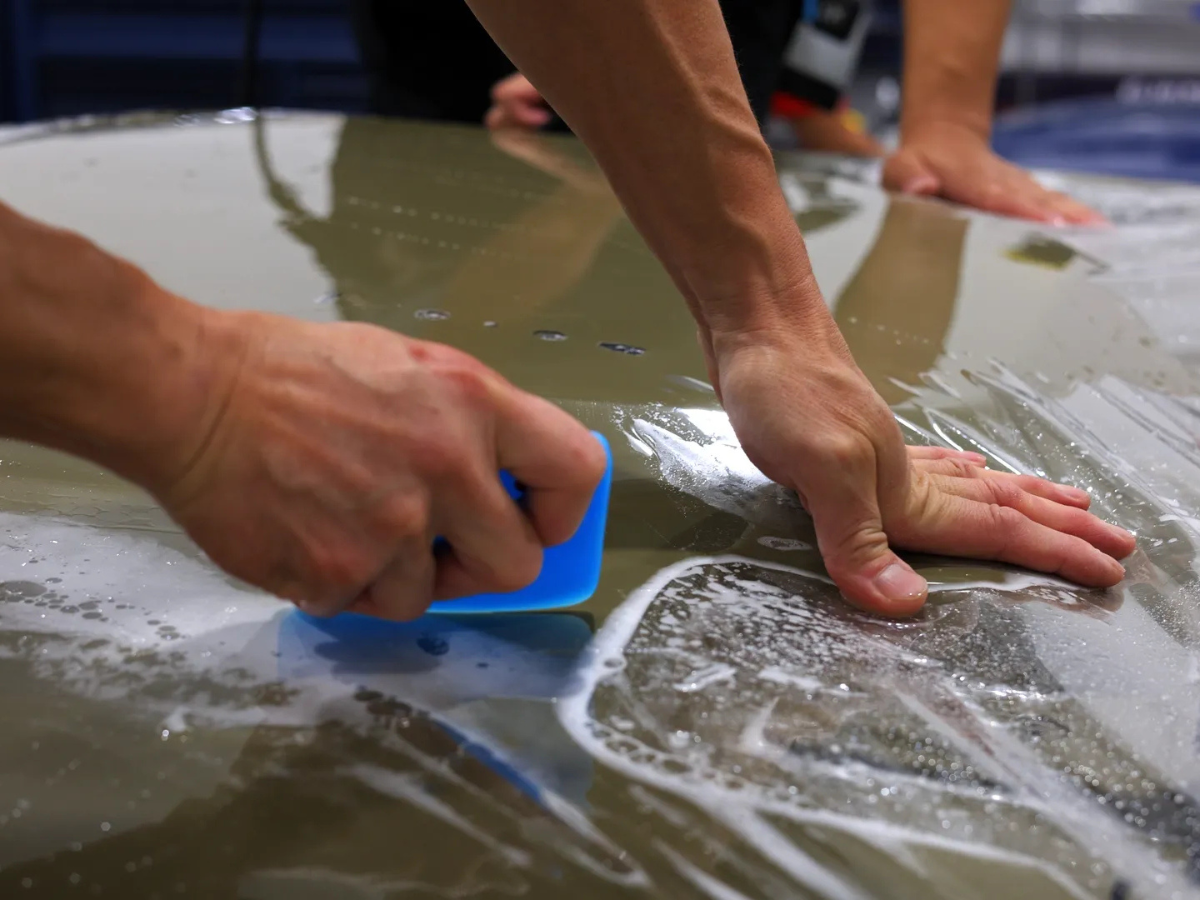
Proper installation includes:
● Thorough vehicle inspection,
● Complete wash and decontamination,
● Paint preparation,
● Precise computer-cut or custom-cut patterns,
● Proper edge wrapping when appropriate,
● Correct curing procedures.
Poor installation can lead to lifting edges, trapped contamination, visible seams, or premature failure.
At Humble Crew Auto Spa, every installation reflects the same philosophy that has guided our work since 2018: quality first, never rushed.
3. Driving Habits
A vehicle driven 5,000 miles per year faces different conditions than one driven 25,000 miles annually.
Frequent highway driving increases exposure to:
● Rock chips,
● Tire debris,
● Sand,
● Construction materials,
● Insects.
Commercial drivers and commuters often see greater long-term value from paint protection film simply because their vehicles encounter more hazards.
4. Storage Conditions
Where you park also matters.
Vehicles stored inside a garage generally experience:
● Less UV exposure,
● Reduced oxidation,
● Lower surface temperatures,
● Less environmental contamination.
Cars parked outdoors year-round naturally experience more wear.
Fortunately, modern premium PPF is specifically engineered to withstand prolonged outdoor exposure.
Does Texas Heat Damage Paint Protection Film?
This is one of the most common misconceptions.
Quality paint protection film is specifically designed for automotive environments where temperatures fluctuate dramatically.
Professional-grade films are engineered to tolerate high surface temperatures commonly experienced in sunny climates like Texas.
While no material lasts forever, properly installed premium PPF is built to handle years of exposure without simply "melting" or failing because of heat alone.
The larger concern is often prolonged UV exposure on unprotected paint.
What About Self-Healing Technology?
One of the biggest advancements in modern paint protection film is self-healing technology.
Many premium films can reduce or eliminate light surface scratches when exposed to warmth from:
● Direct sunlight,
● Warm water,
● Engine heat,
● Controlled heat application.
This doesn't repair deep cuts or major impact damage.
Instead, it helps maintain a smoother, glossier appearance by reducing the visibility of everyday wash marks and fine scratches.
For Texas drivers, where sunlight is plentiful, this feature is especially beneficial.
Does Ceramic Coating Help PPF Last Longer?
Ceramic coating does not make paint protection film stronger.
Instead, it helps protect the film itself by making it easier to maintain.
When ceramic coating is applied over PPF, it can:
● Increase hydrophobic performance,
● Make washing easier,
● Reduce dirt adhesion,
● Help minimize water spotting,
● Improve chemical resistance,
● Enhance gloss.
Many Humble Crew clients choose to combine paint protection film and ceramic coating because they complement one another exceptionally well.
Think of it this way:
● Paint protection film protects against physical damage.
● Ceramic coating helps the protected surface stay cleaner and easier to maintain.
● Together, they provide one of the most comprehensive exterior protection packages available.
Signs Your Paint Protection Film May Need Replacement
Even the best products eventually reach the end of their service life.
Some common signs include:
● Persistent yellowing,
● Edge lifting,
● Cracking,
● Delamination,
● Permanent staining,
● Loss of clarity,
● Visible wear from years of heavy use.
Fortunately, replacing paint protection film is usually straightforward.
The old film can typically be removed and replaced without harming properly maintained factory paint beneath it.
Often, the paint underneath still looks remarkably close to the day the film was installed.
How to Make Your Paint Protection Film Last as Long as Possible
Proper maintenance makes a significant difference.
Wash regularly.
Remove bugs, bird droppings, road grime, and contaminants before they remain on the surface for extended periods.
Use safe washing techniques.
Hand washing with quality microfiber towels and pH-neutral automotive soaps helps preserve both the film and your vehicle's finish.
Avoid unnecessary abrasion.
Automatic car washes with aggressive brushes can introduce unnecessary wear.
Remove contaminants promptly.
Tree sap, bird droppings, and bug splatter become more difficult to remove the longer they remain.
Schedule professional maintenance.
Periodic inspections and detailing help identify small issues before they become larger problems.
Is Paint Protection Film Worth It in Texas?
For many drivers, the answer is yes.
Texas roads expose vehicles to conditions that can quickly diminish a vehicle's appearance and resale value.
Paint Protection Film helps reduce:
● Rock chips,
● Paint damage,
● Minor scratches,
● Surface wear,
● Everyday road abuse.
Whether you own a Tesla, luxury SUV, sports car, truck, or daily commuter, protecting vulnerable painted surfaces often costs significantly less than repainting them later.
For drivers planning to keep their vehicle for several years, PPF is frequently viewed as an investment in long-term preservation rather than simply an appearance upgrade.
Why Professional Installation Matters
Paint protection film is only as good as the preparation and installation behind it.
At Humble Crew Auto Spa, we never believe in rushing vehicles through the shop.
Every installation begins with careful preparation because contaminants, poor alignment, or improper application can affect both appearance and long-term performance.
As a Ceramic Pro Certified Paint Protection Film installer, our team focuses on precision, quality craftsmanship, and treating every vehicle as if it were our own.
Whether you're protecting a brand-new Tesla, a family SUV, a luxury sedan, or your weekend sports car, our goal is simple: deliver protection that performs for years.
The Bottom Line
For most drivers, professionally installed premium paint protection film will provide 7 to 10 years of reliable protection, with many vehicles continuing to look outstanding throughout that time when properly maintained.
The key is choosing the right film, having it installed correctly, and taking care of it over the years.
At Humble Crew Auto Spa in Plano, TX, we help North Texas drivers protect their investment with expert Paint Protection Film installation, Ceramic Coating, Window Tint, and professional detailing services. If you're wondering which level of protection is right for your vehicle, we're always happy to answer your questions and recommend a solution based on how and where you drive.