Ceramic Coatings: behind the scenes with a pro
Ceramic Coatings: behind the scenes with a pro.
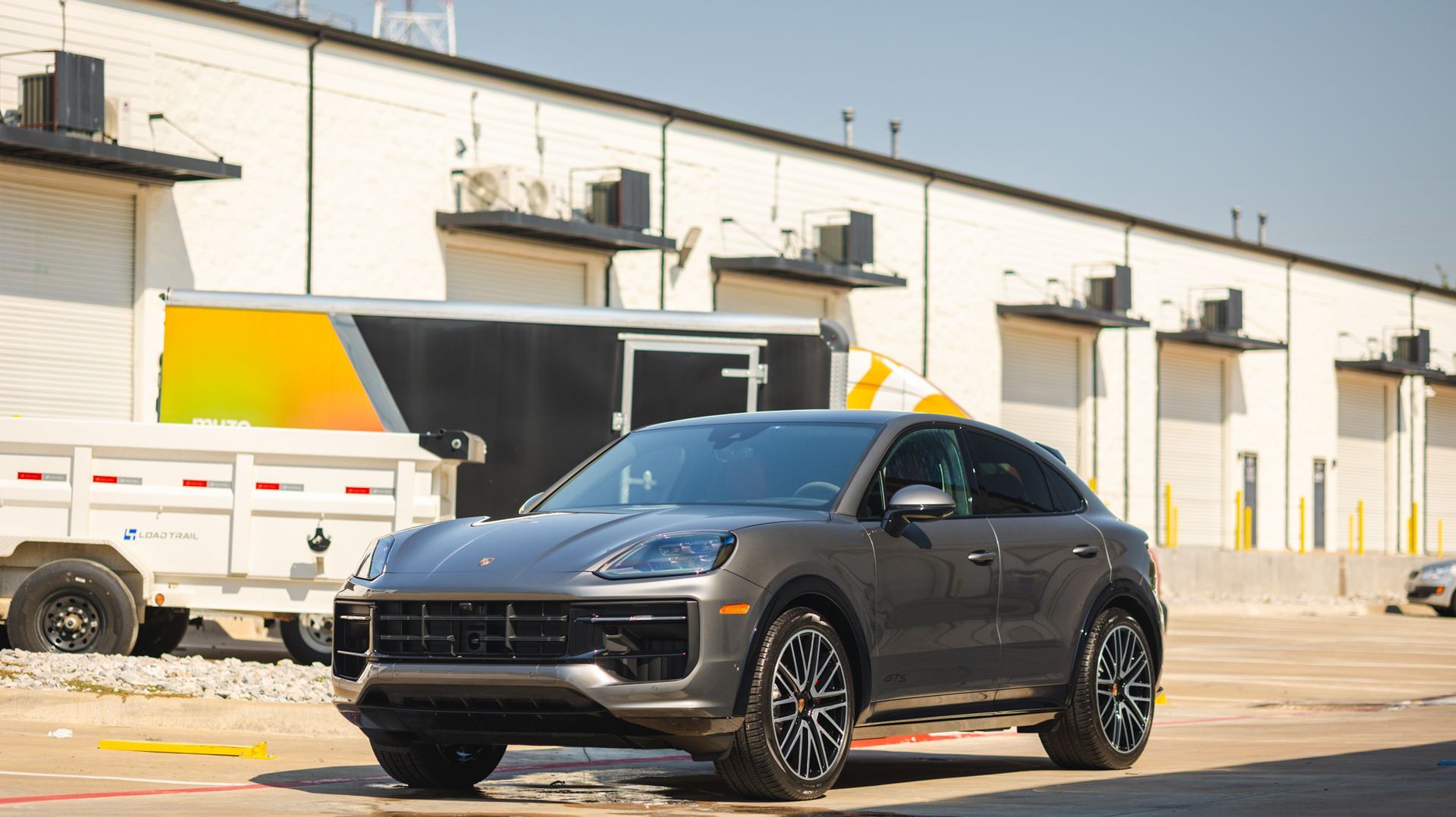
The Real Problems: Swirls, Scratches, and High Maintenance Paint
Most Porsche owners don’t come in because their paint is “bad.” They come in because it doesn’t look the way it should. Under direct light you start to see the swirl marks from automatic washes, light scratching from improper hand washing, and a general loss of depth in the finish. On darker colors especially, the paint starts to look hazy instead of sharp.
The other issue is maintenance. Keeping a daily-driven Cayenne clean without protection is a constant cycle. It gets dirty quickly, it doesn’t release contaminants easily, and every wash introduces more micro-marring if you’re not extremely careful. Over time, that compounds into a finish that looks older than the vehicle actually is.
What Paint Correction and Ceramic Coating Actually Does
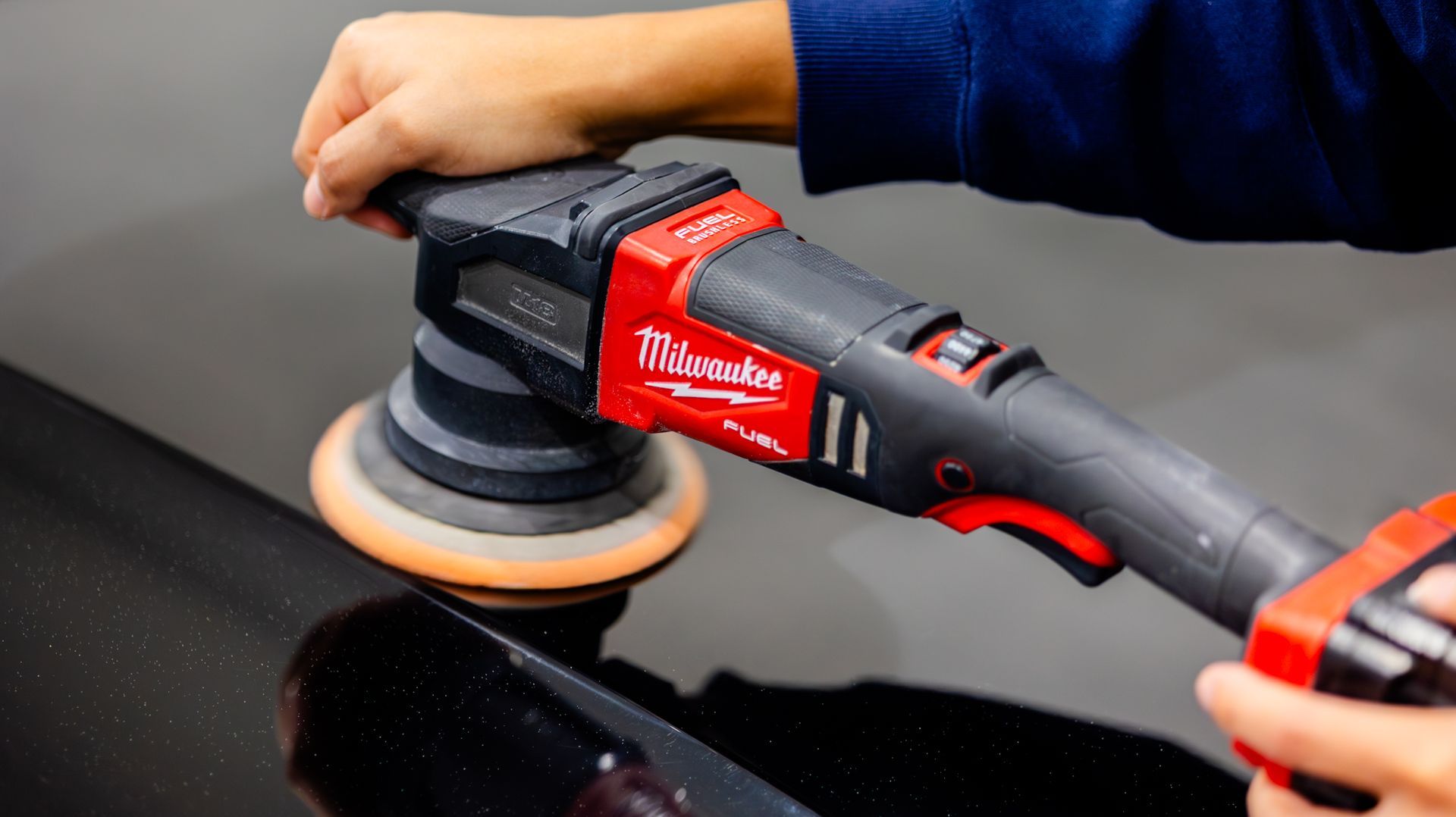
Paint correction is the process of removing defects from the clear coat. That means leveling swirl marks, reducing or eliminating scratches where safely possible, and restoring clarity and gloss to the paint. This is not a filler or a glaze—this is permanent defect removal through controlled machine polishing.
Ceramic coating is a chemical-resistant protective layer that goes on after the paint is corrected. When bonded to your paint, this coating repels dirt and grime, but more importantly resists staining from things like bird poop and tree sap, keeping your car cleaner longer between regular maintenance.
Correction creates the finish. The coating preserves it.
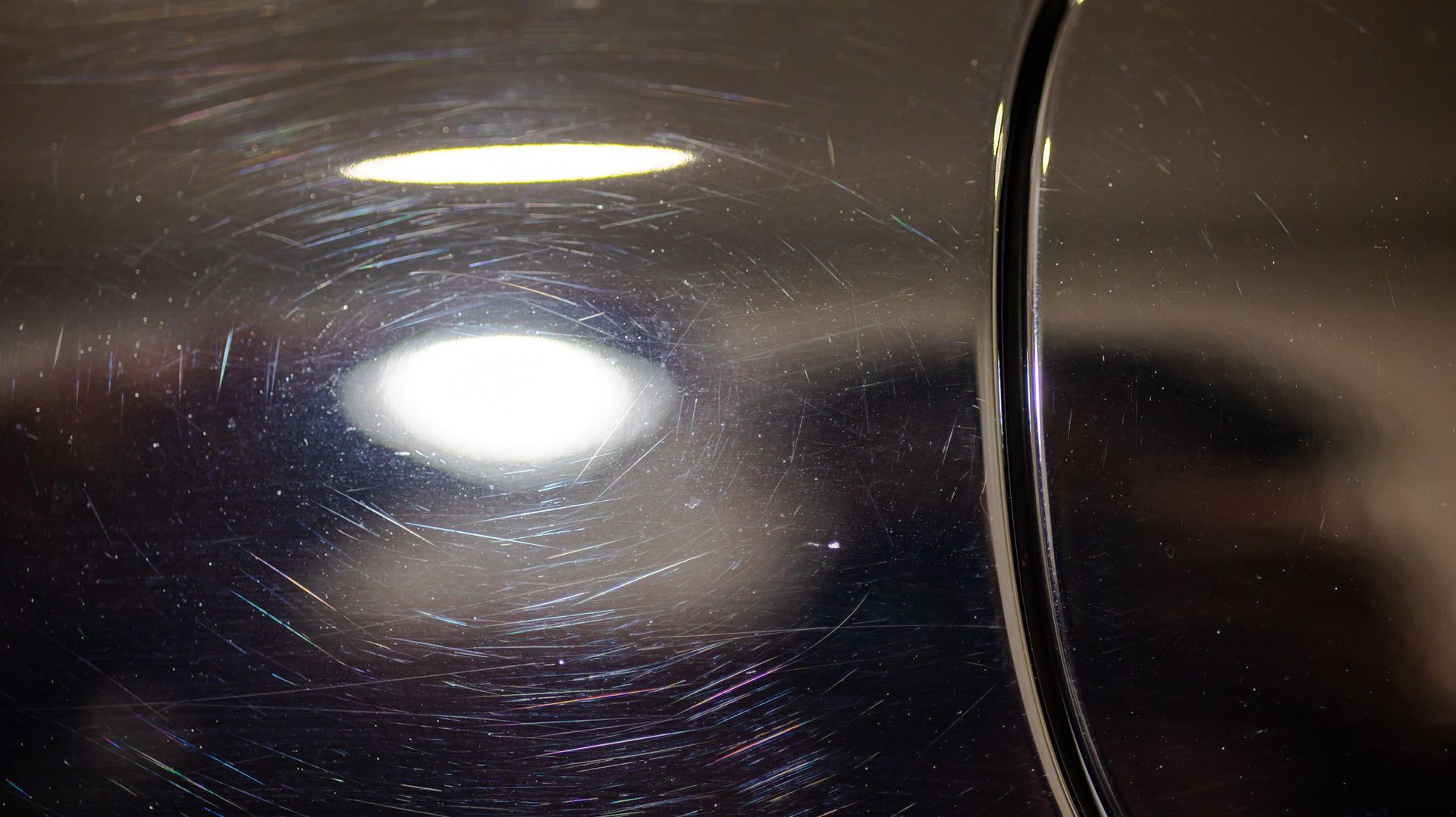
Heavy scratches on the Porsche
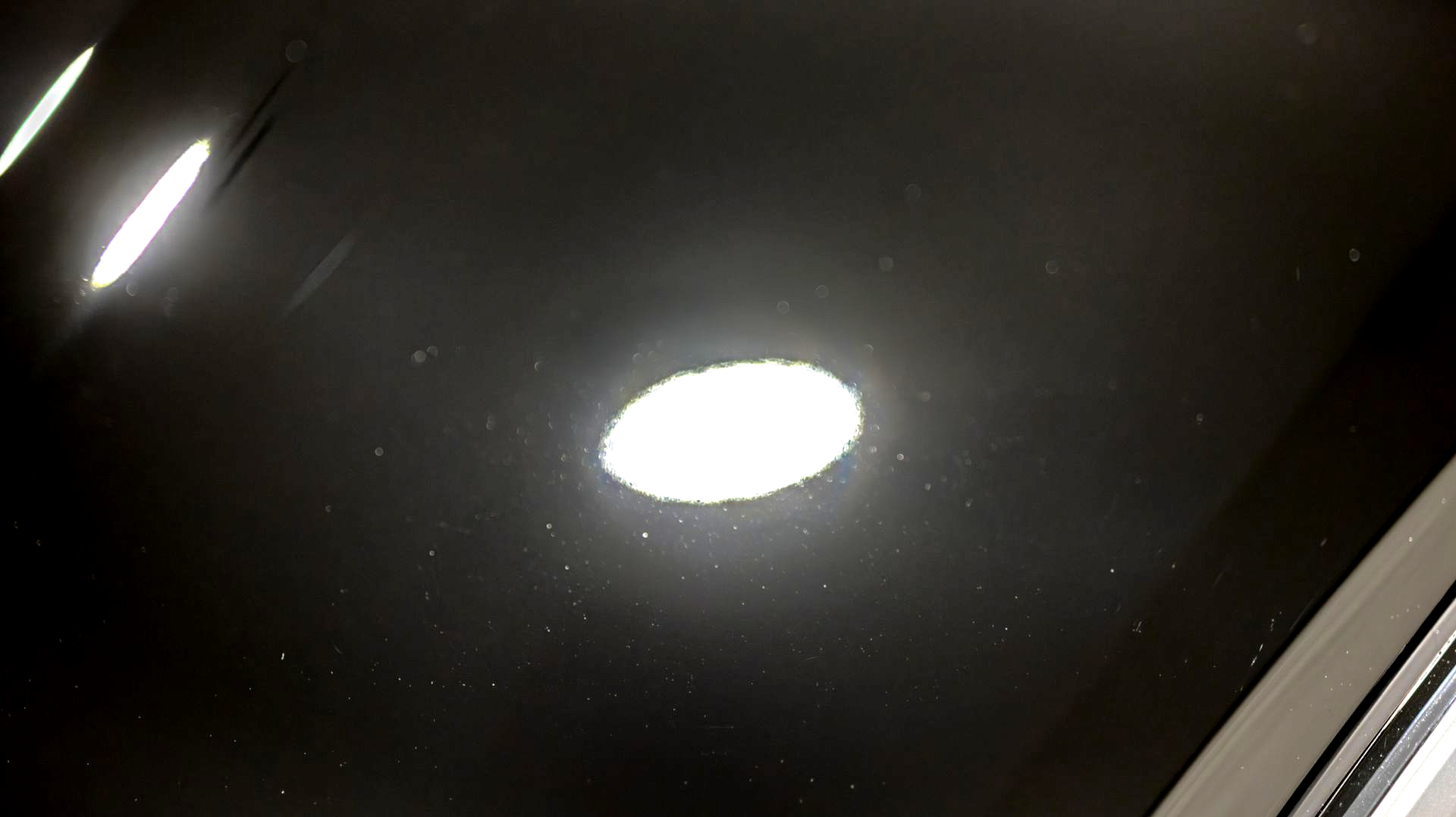
This Porsche had heavy paint defects, including swirl marks, deeper sctaches, and water spot etching.
Faces of Humanity
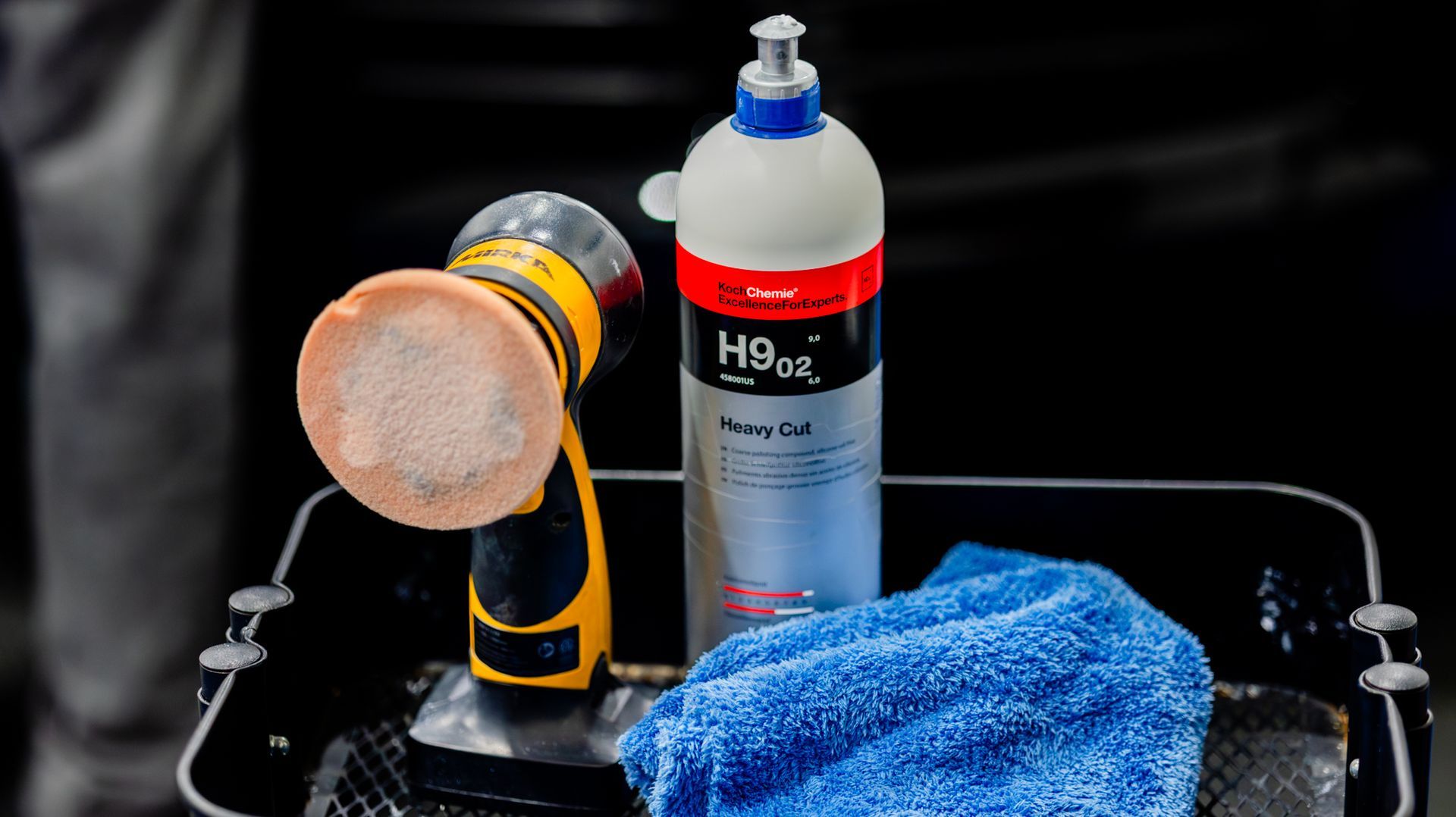
Using the Mirka 3 inch polisher to get into the small recesses of the car for an even finish.
Fixing bad PPF Tesla
After a two-step paint correction; the paint looks flawless.
Prep Matters More Than the Coating
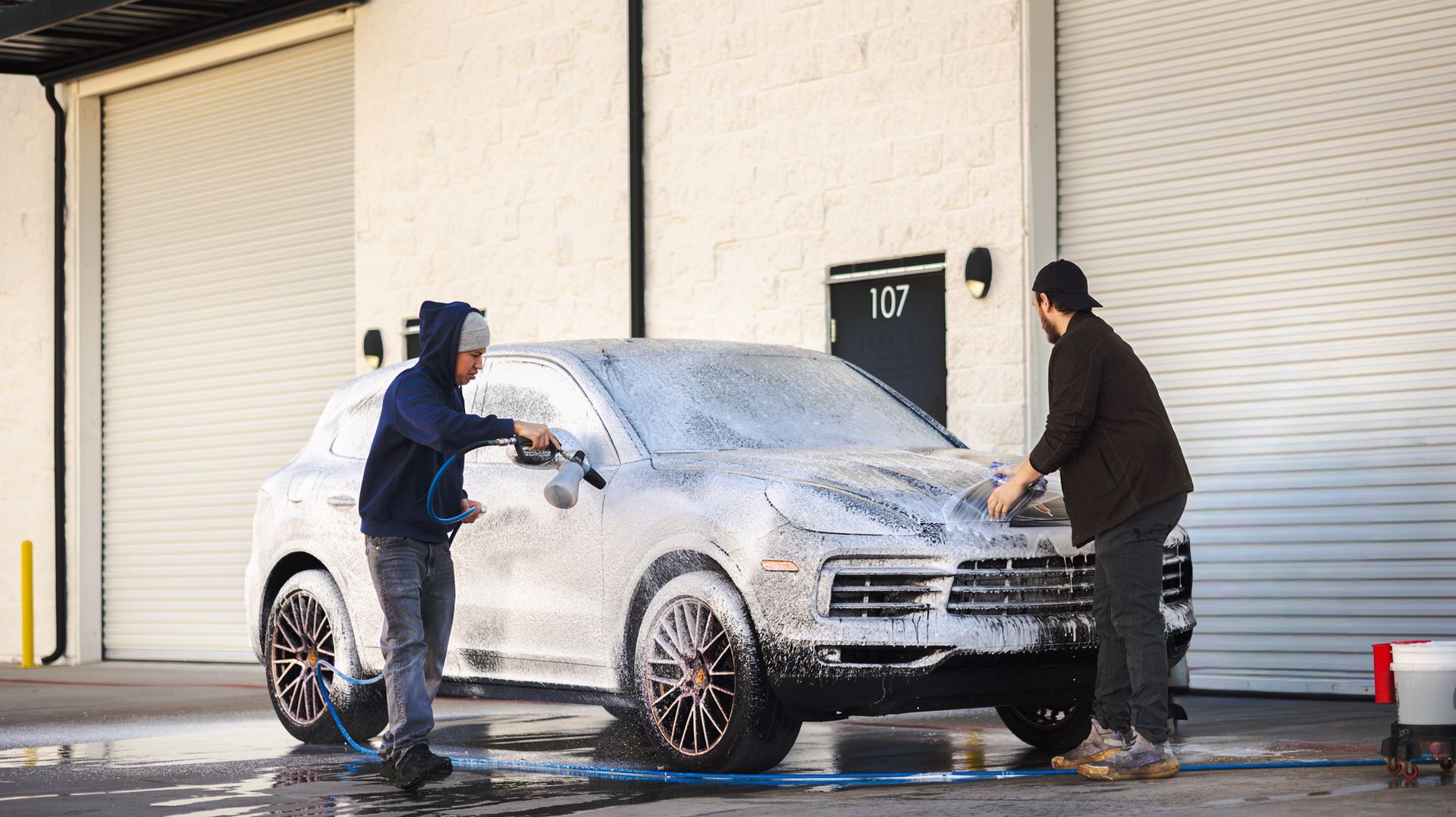
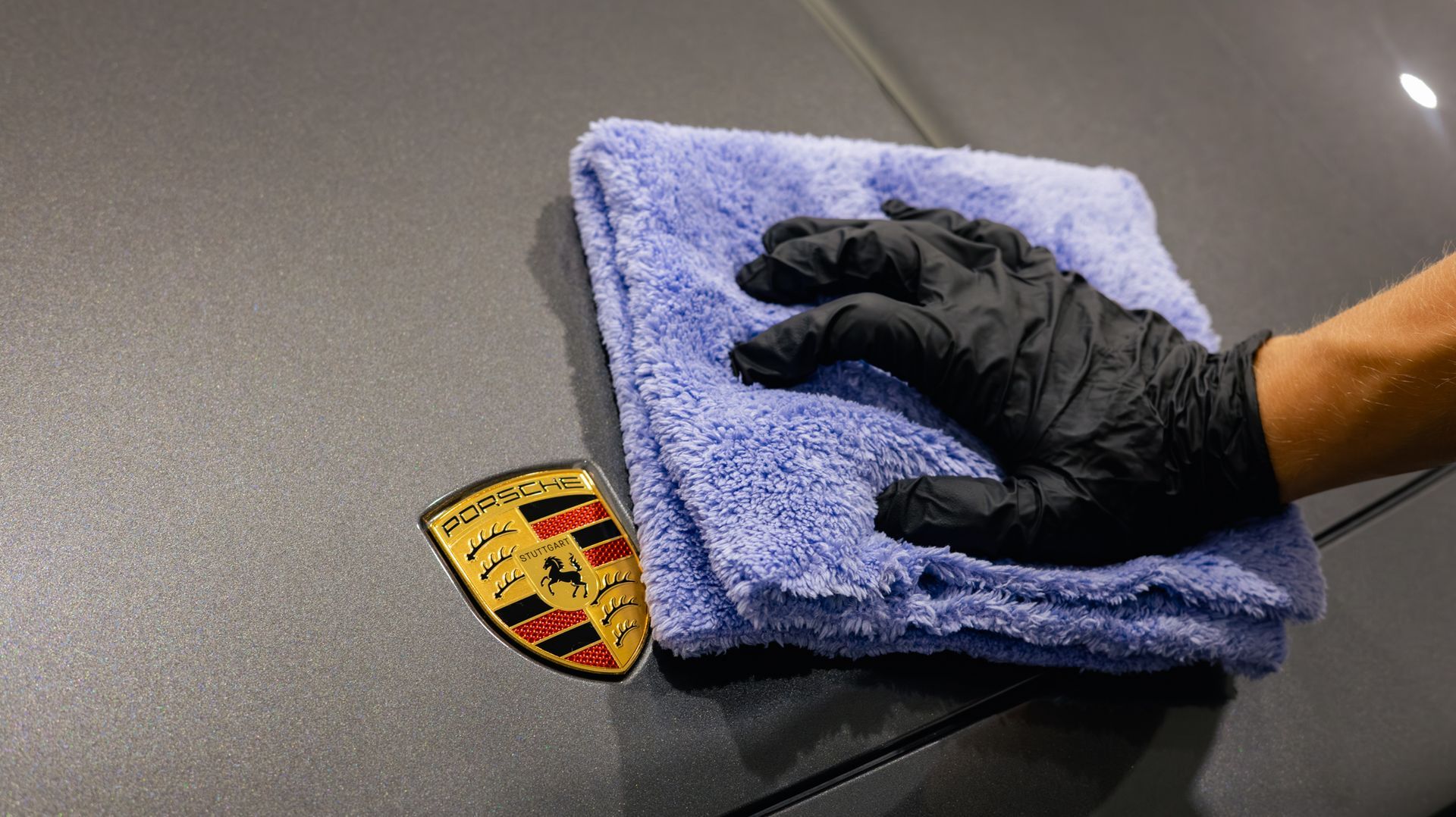
Most of the quality in a ceramic coating job comes from what happens before the machine ever touches the paint.
Our prep process includes:
- A proper three-bucket wash method to minimize wash-induced marring
- Full wheel and tire cleaning to remove brake dust and old dressing
- Chemical decontamination to dissolve iron and embedded fallout
- Mechanical decontamination where required to remove bonded contaminants
If this step is rushed, you’re polishing contaminants into the paint and compromising both the correction and the coating bond.
How I Determine the Level of Paint Correction Needed
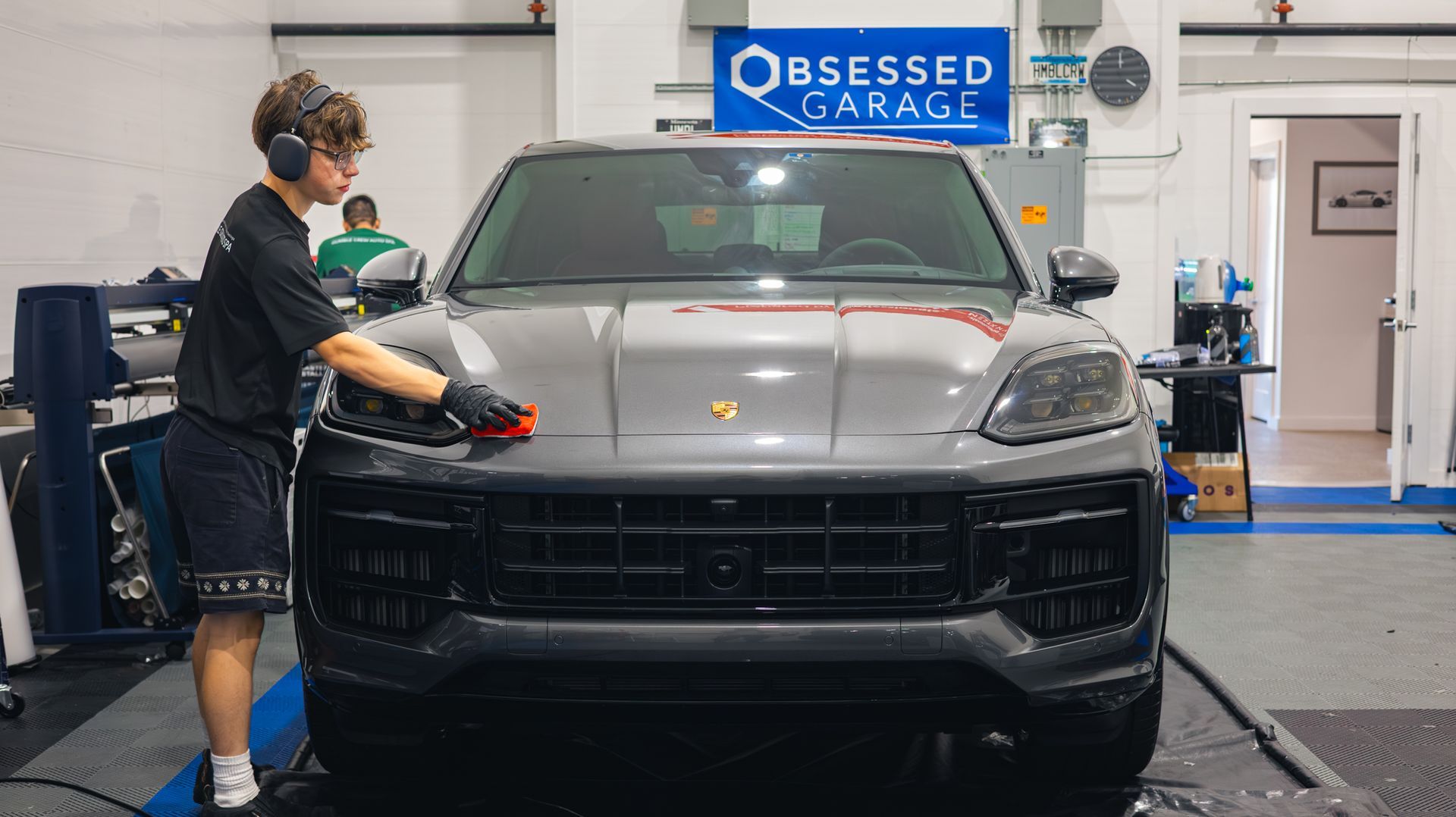
Every vehicle gets evaluated before I choose a polishing approach. I’m looking at:
- Defect depth and severity
- Paint hardness (it varies greatly from manufacturer to manufactuer)
- Paint thickness readings
- Owner expectations (daily driver vs. show-level finish)
From there I perform a test spot to find the least aggressive method that produces the desired result. Some Cayennes need a single-step polish to restore gloss. Others require a multi-step correction with compounding followed by refinement to remove heavier defects and restore clarity.
The goal is always maximum defect removal with minimum clear coat removal, which is why I train my staff to operate conservatively.
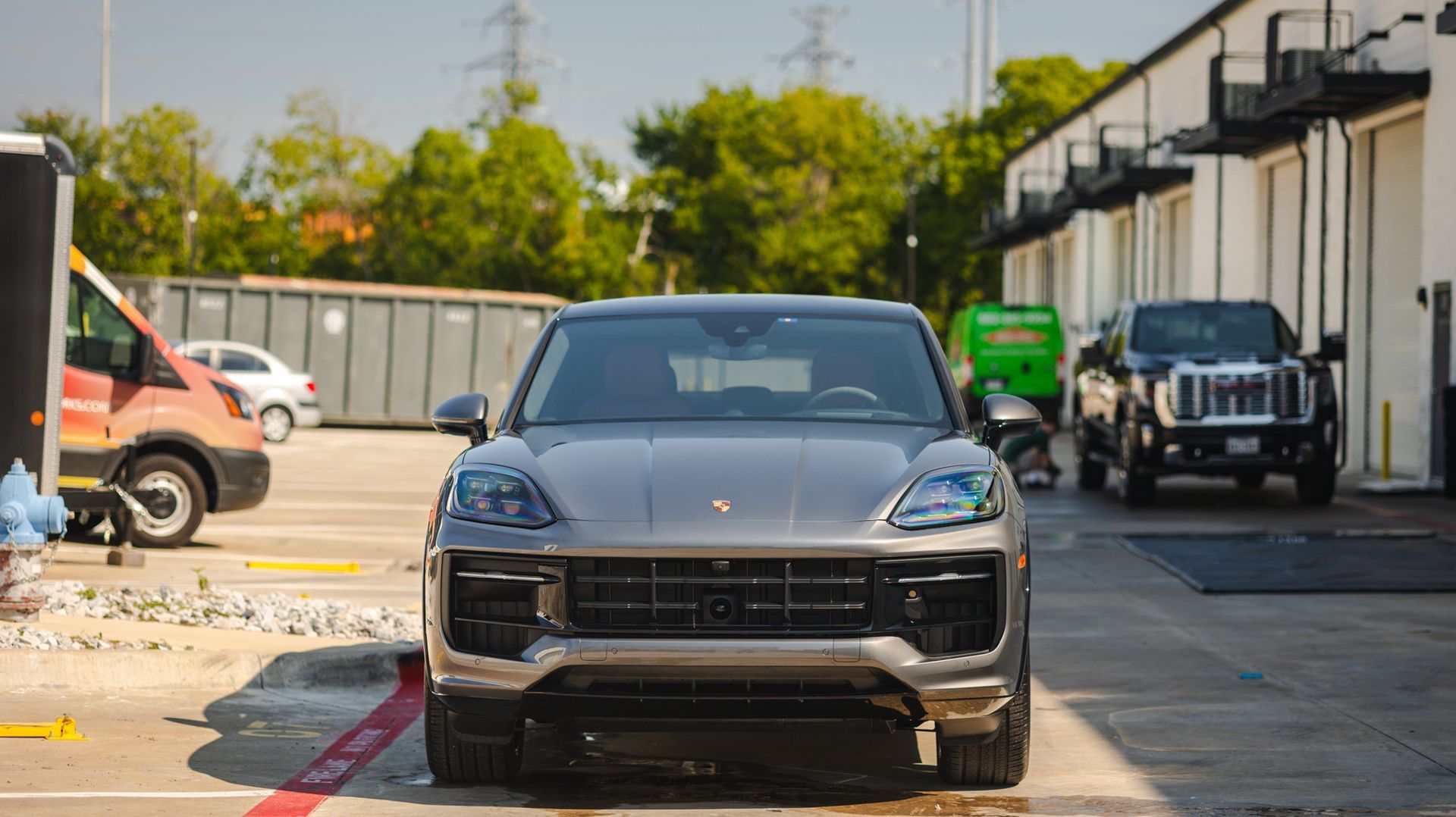
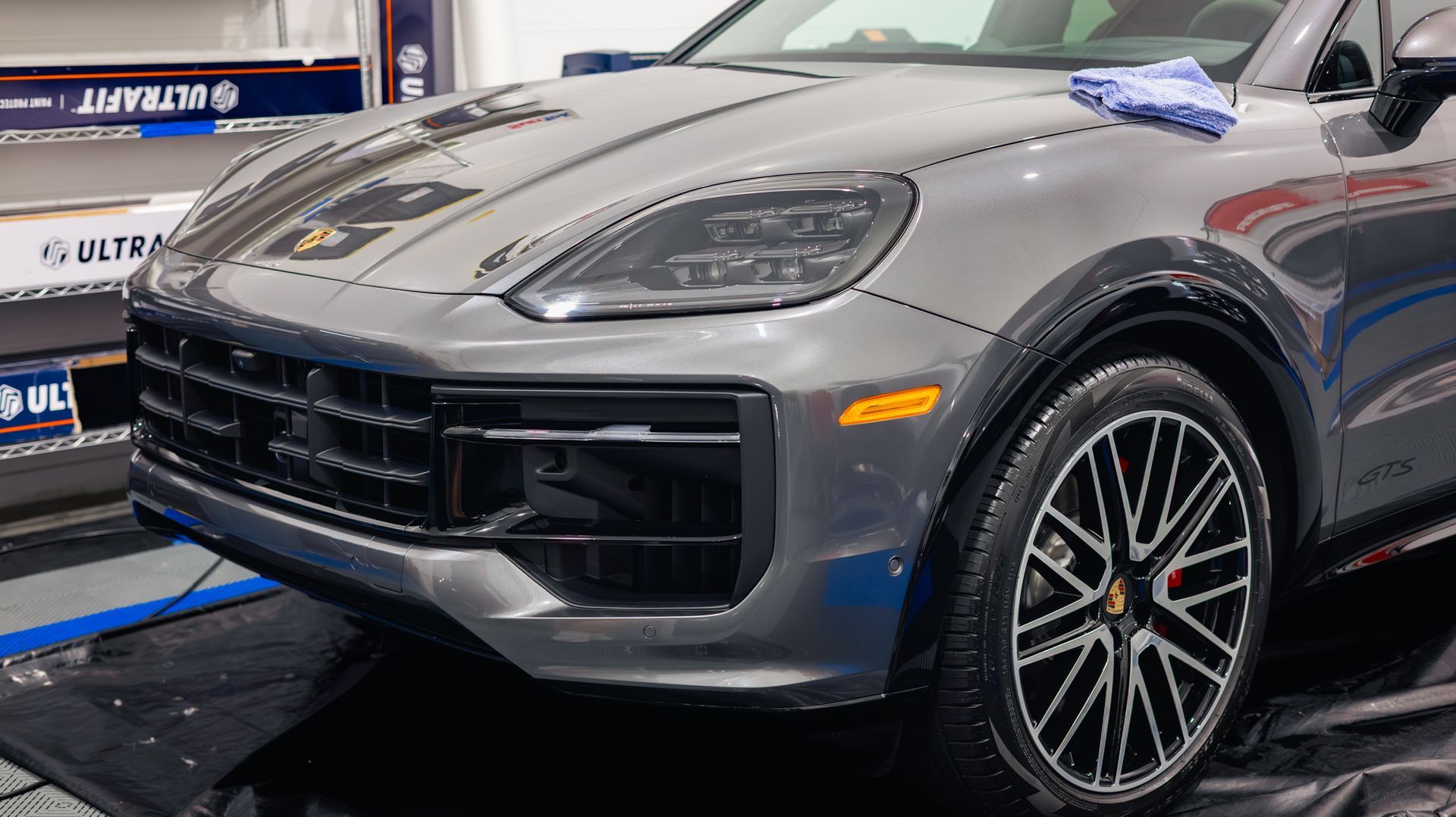
On this Cayenne, we found that a two-step paint correction was necessary to get the paint finish clear.
Which Ceramic Coating to Choose?
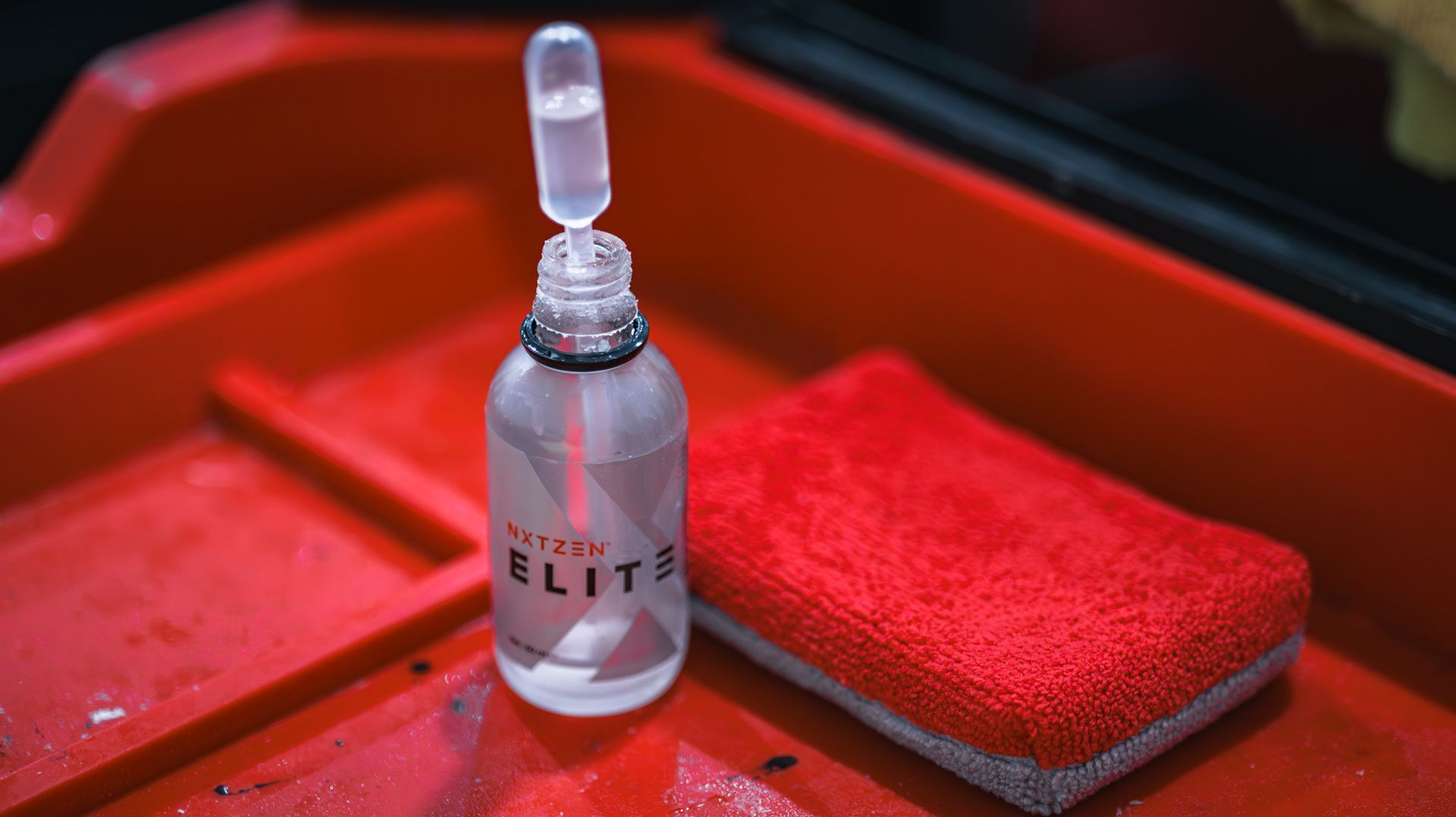
Here at Humble Crew Auto Spa, we have two ceramic coating packages to choose from.
Bronze is a solid place to start. It has us apply our standard traditional ceramic coating, which is a great performer at a solid price tag. When bonded to your paint, this coating repels dirt and grime, but more importantly resists staining from things like bird poop and tree sap, keeping your car cleaner longer between regular maintenance. It comes in at
$599, and is our most affordable long term coating. These types of coatings require more diligent maintenance, but perform well under care.
Silver is an introduction to our Hybrid coatings. The hybrid coatings are more flexible, giving the coating the ability to expand and contract with different climates (like temperature swings). That flexibility gives you more consistent performance, meaning you can go further between washes without the coating fully wearing down (unlike more traditional coatings), keeping maintenance for you a breeze. These coatings do better under less strict maintenance schedules, and are great if you can't wash your car every other week.
Our silver package is at
$1350, and is backed under a five year warranty. Silver will perform past five years with proper care.
What can I expect if I get this done?
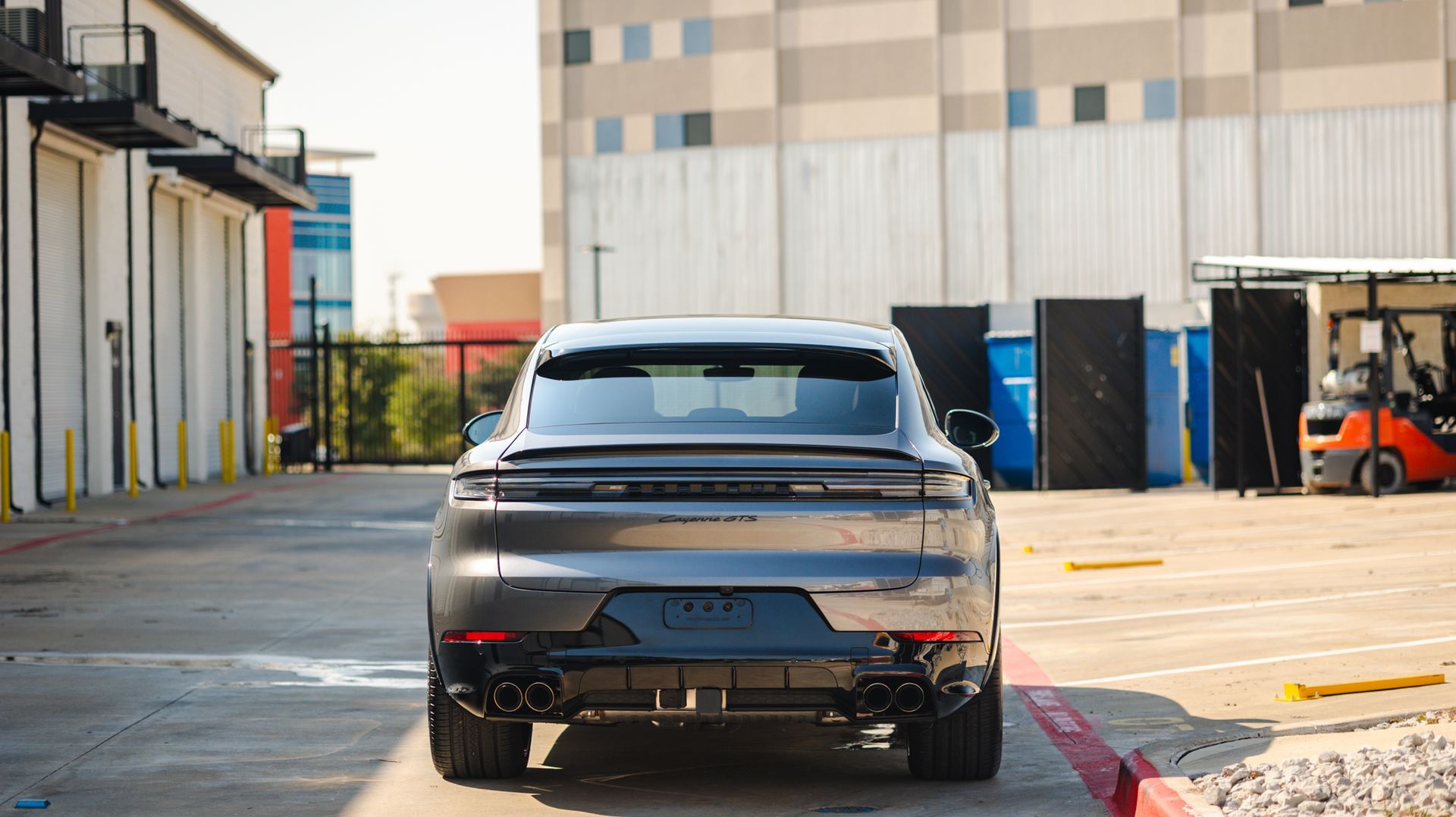
The biggest difference you’ll notice isn’t just how the car looks when you pick it up—it’s how it behaves every time you wash it afterward.
Because the coating creates a slick, chemically resistant surface, dirt and brake dust don’t bond to the paint the same way they do on bare clear coat. That means most washes take less time, require less scrubbing, and carry a lower risk of adding new swirl marks. You’re not fighting the paint to get it clean anymore.
Water behavior changes immediately. Instead of sitting flat on the surface and leaving mineral deposits behind, water beads and sheets off quickly. The benefit there is fewer water spots and easier drying, especially on a large vehicle like a Cayenne.
Long term, the paint holds its gloss without needing frequent polishing. Since you’re not constantly compounding away defects, you preserve clear coat thickness and maintain a sharper finish for years instead of months. You still have to wash the vehicle, and it’s not scratch-proof, but the maintenance becomes safer and more predictable.
From a day-to-day ownership standpoint, that translates to:
- Less time spent washing
- Easier removal of bugs, road film, and brake dust
- Reduced risk of wash-induced marring
- A finish that keeps its depth and clarity longer
The real value shows up over time. Instead of the paint slowly degrading and needing another major correction, you’re maintaining a protected, stable surface that continues to look the way it did when it left the shop.