
/ Guides · Humble Crew Auto Spa
PPF or Ceramic Coating: What Does Your Car Need?
Humble Crew Auto Spa·
These two get compared constantly, and they are not competitors. Paint protection film and ceramic coating solve two different problems, and the reason the comparison feels confusing is that most people are really asking a different question: if I can only do one right now, which one?
Here is the short version. Paint protection film protects against physical damage — rock chips and scratches. Ceramic coating protects against contaminants and makes the car easier to clean and maintain. For the best results many of our clients combine both: film for protection, coating for ease of cleaning and shine.
What paint protection film does
Film is a layer of crystal clear vinyl strong enough to take physical damage: rock chips, scratches, swirl marks, even scuffs. It also endures chemical damage and UV oxidation. It is a sacrificial layer — the rock hits the film instead of your clear coat, and when a panel has taken enough we replace the film on that panel instead of repainting it.
Two things make it worth having rather than just owning. The first is that Ultrafit’s “memory” technology heals minor swirl marks and scratches on its own in direct sunlight. The second is that it is warrantied against yellowing, cracking and peeling for ten years, and the work reports to CARFAX.
What film does not do is make the car easy to wash, and it is not paint perfection film. It is designed for protection first.
What ceramic coating does
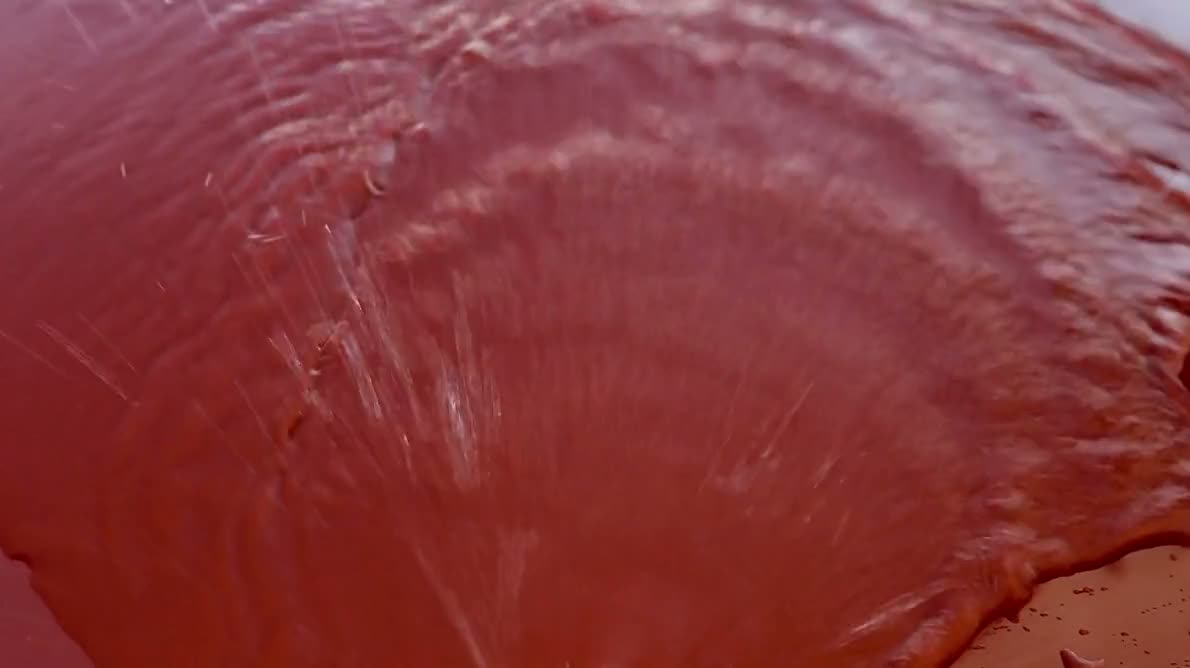
A coating is a chemical polymer that bonds to the paint and leaves the surface incredibly non-stick. Water, dirt, grime and contaminants — bird poop, bug guts, tree sap — have a much harder time adhering, so the car stays cleaner longer on one application, and it enhances gloss and depth in the paint while it is at it.
The protection it adds is chemical, not physical. Our Silver and Gold packages are formulated to mitigate pancreatin, the digestive enzyme in bird droppings that etches clear coat, and Gold adds concentrated graphene for UV resistance. Our coatings are warrantied up to nine years and need no annual re-application to stay covered.
What a coating does not do is stop a rock. That is physical damage, and physical damage is what film is for.
Which one first, if it is only one
Answer these four questions about how the car actually lives and the decision stops being close.
- Does it see highway miles, construction zones or track days? Film first, on the front end. Rock chips are the damage you cannot undo — that is paint gone, not paint dulled, and no coating prevents it. Full Front End starts at $1,999 and covers the hood, front fenders, front bumper and mirror caps.
- Is it garage-kept, low-mileage, or driven mostly in town, and what bothers you is how hard it is to keep clean? Coating first. Bronze starts at $599, Silver at $990, Gold at $1,499, and the car gets easier to own immediately.
- Is it brand new? New cars are the best candidates for film. Protecting the paint early prevents the damage in the first place, especially in the high-impact areas, and there is nothing to correct first.
- Is it used? Expect paint correction in the conversation either way. Swirl marks and scratches need to come out before film or coating goes on, because both of them lock in whatever is underneath. Stage 1 starts at $499, Stage 2 at $999.
Why most owners end up doing both
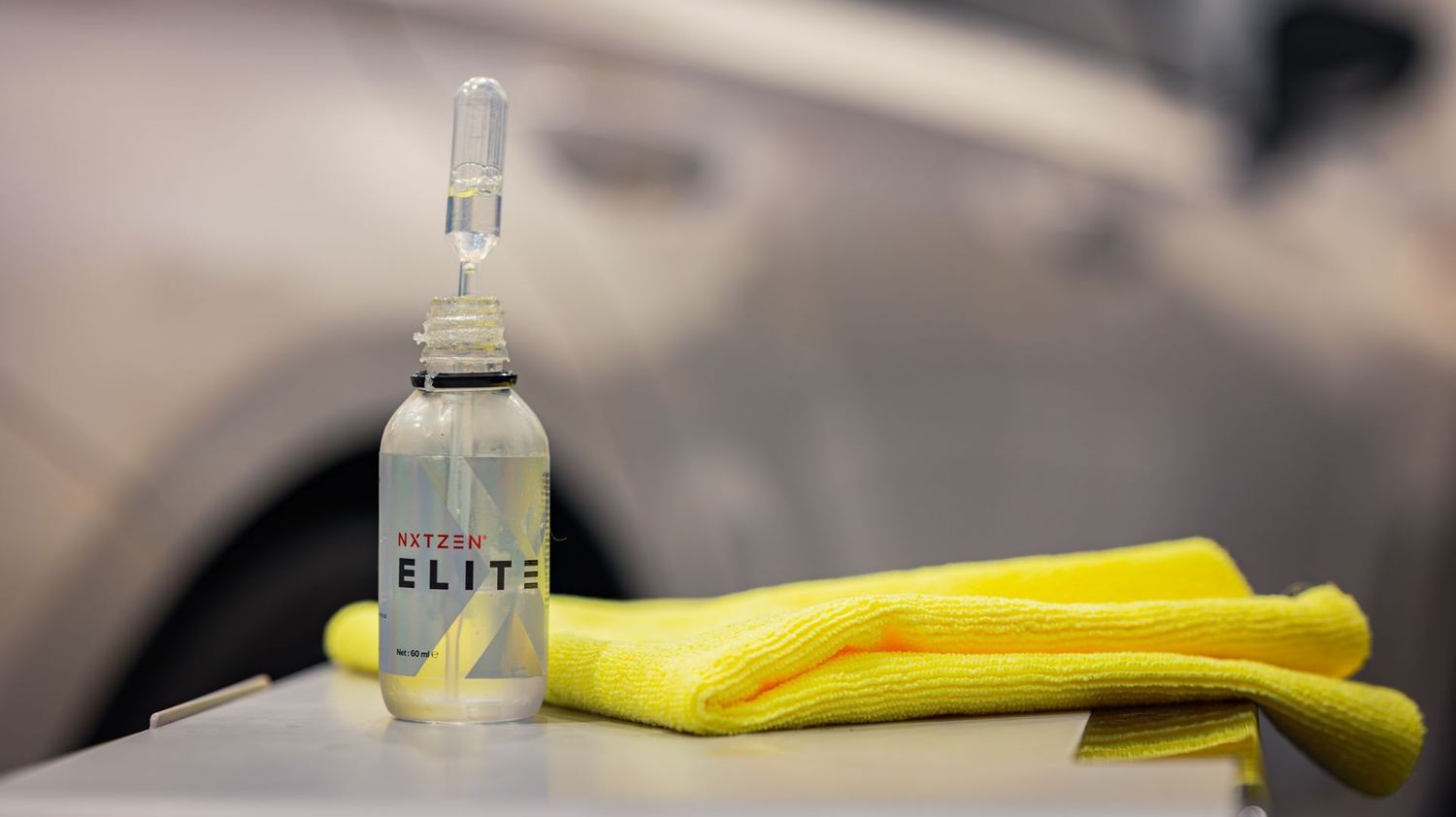
Film and coating stack cleanly, and we recommend coating over film even though film is already UV and stain resistant. You end up with physical protection from the film, chemical and UV resistance from the coating, and a film surface that is exceptionally easy to keep clean — which matters more than it sounds, because a dirty film install looks like a dirty car.
That combination is what our Complete Package is, with full-car coverage starting at $2,990. It is also the honest reason the two services keep getting compared: two out of every three clients who buy paint protection film from us end up having the car coated too.
Cost and time, side by side
- Paint protection film: four coverage levels, from $1,250 for Partial Front to $5,499 for Full Vehicle. Ten-year warranty, plus a one-time $600 credit toward a no-questions-asked panel replacement.
- Ceramic coating: three tiers, $599 / $990 / $1,499. Warrantied up to nine years, no annual layers required.
- Both together: Complete Package, full-car coverage from $2,990.
- Either way, most jobs take two to four days depending on the vehicle and the level of work. Both report to CARFAX.
The part we would rather say in person
There is no single right answer here, which is why we quote cars and not services. Tell us the year, make and model, where it parks, how far you drive it and what is actually bothering you about the paint, and we will tell you what it needs — and what it does not. We focus on recommending what makes sense, not the most expensive option on the menu.
Want this on your car?
Pick your service and your time, or call the shop and talk it through first.