/ Guides · Humble Crew Auto Spa
How Long Does Ceramic Coating Last?
Humble Crew Auto Spa·
A high-quality ceramic coating lasts up to seven years, and ours are warrantied for up to nine. Seven is a ceiling, not a promise, and this is the part nobody explains: two different things decide whether you actually get there — which chemistry you put on, and how you wash it afterwards.
Warranty years and service life are not the same number
A coating’s warranty is a promise about the product: that it will still be bonded and performing, and that we will stand behind it if it is not. Our curated lineup is warrantied for up to nine years, it reports to your CARFAX, and — this is the part that surprises people — it needs no annual layers. You will not need to wax the car or come back for another coat to keep the warranty alive. You apply it once and the vehicle is set.
Service life is different. It is how long the coating keeps behaving like a coating: beading water, shedding dirt, releasing bug guts and bird droppings before they bite. A coating can be inside its warranty and still be performing noticeably worse than it did when it was new if it has been washed badly. That is why the honest answer to “how long does it last” is up to seven years, depending on the product and the maintenance it gets.
What actually decides whether you get the full seven years
We have been installing ceramic coatings for a decade and spent most of it A/B testing products against each other, so our line is three tiers deep on purpose. The difference between them is chemistry, not thickness.
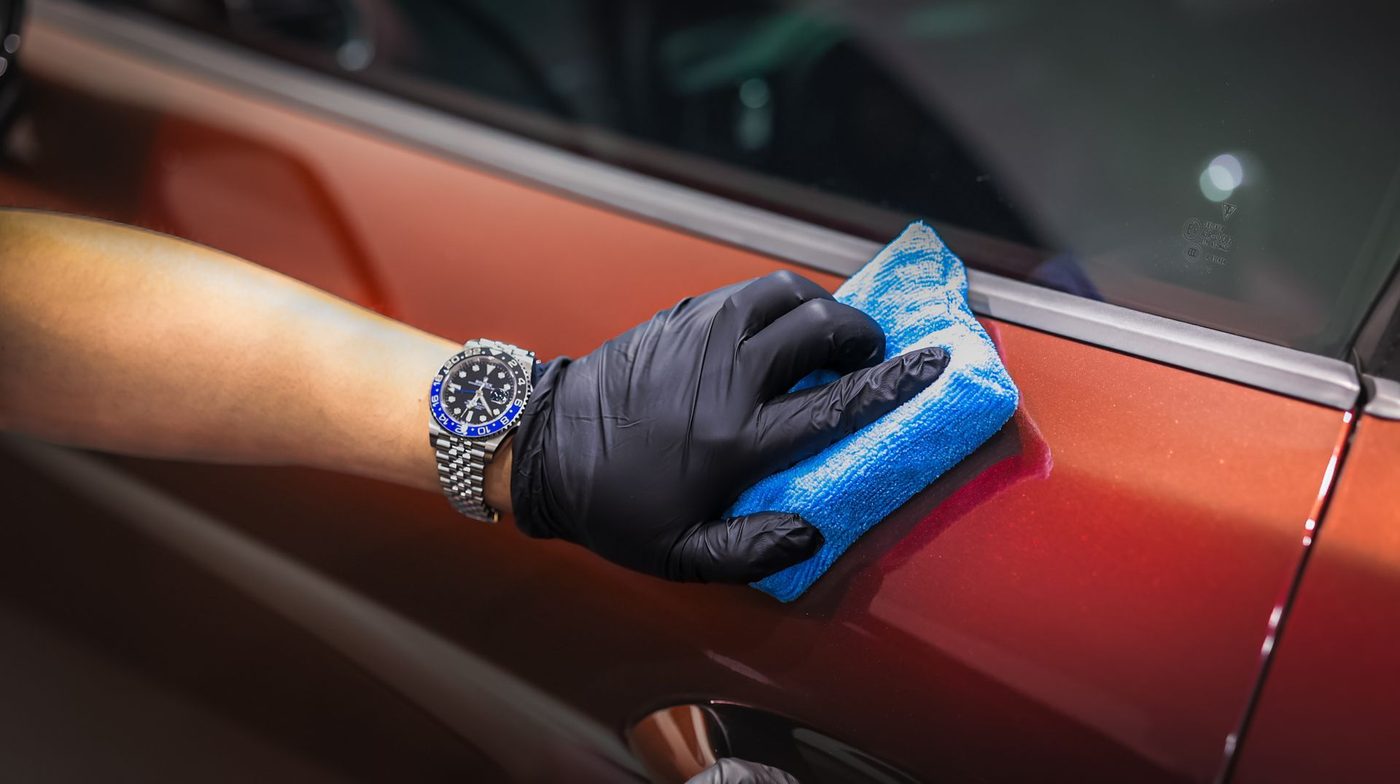
Bronze starts at $599 and is a standard traditional ceramic coating. Bonded to your paint it repels dirt and grime and, more importantly, resists staining from things like bird poop and tree sap, so the car stays cleaner longer between washes. Traditional coatings are rigid, and rigid chemistry is less forgiving: Bronze requires more diligent maintenance, and it performs well under that care. If you are the owner who washes every other week, it is a lot of protection for the money. If you are not, it is the tier that will disappoint you first.
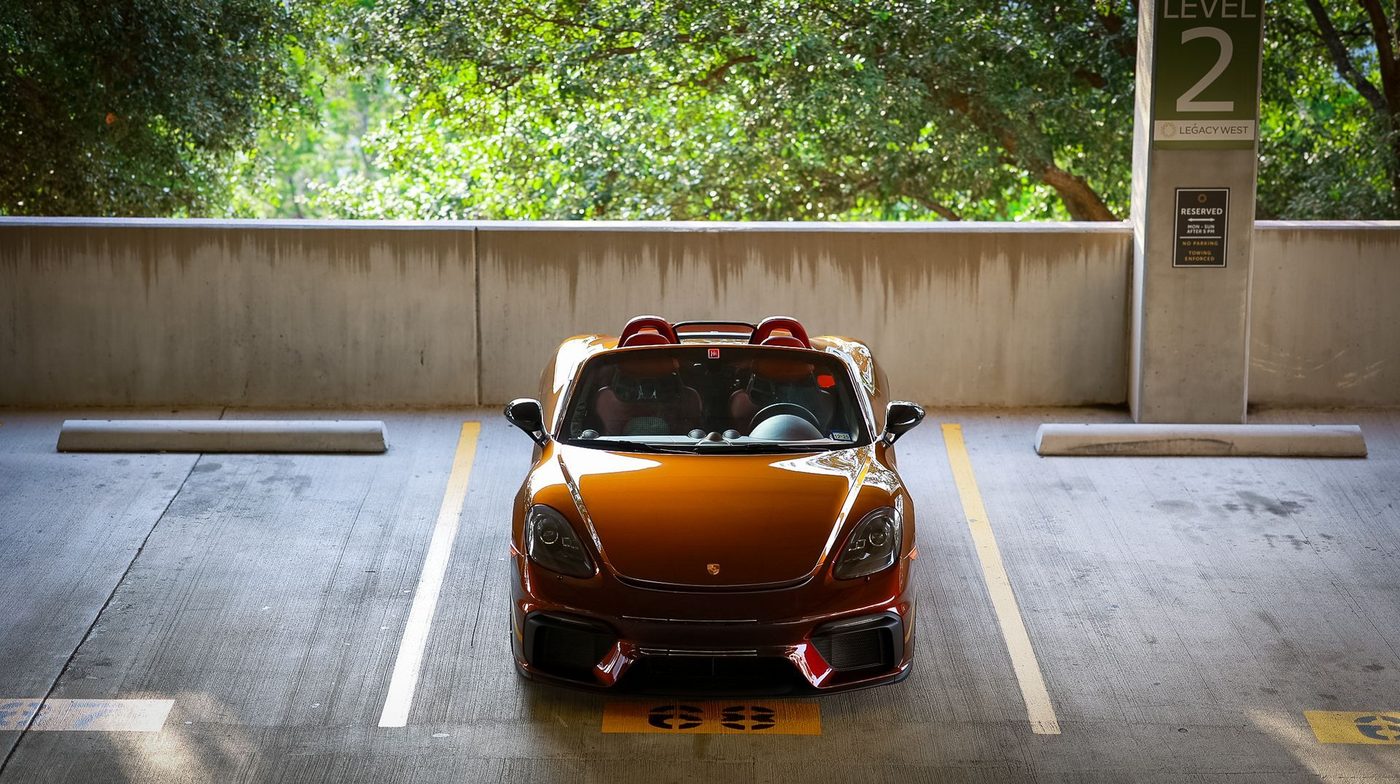
Silver starts at $990 and is the introduction to our hybrid coatings. Hybrids are more flexible: the coating can expand and contract with the panel instead of resisting it, and that flexibility is what buys you consistency. You can go further between washes without the coating fully wearing down the way a more traditional one will. Silver is the tier for the owner who cannot promise a wash every other week, which — in a Texas summer — is most people.
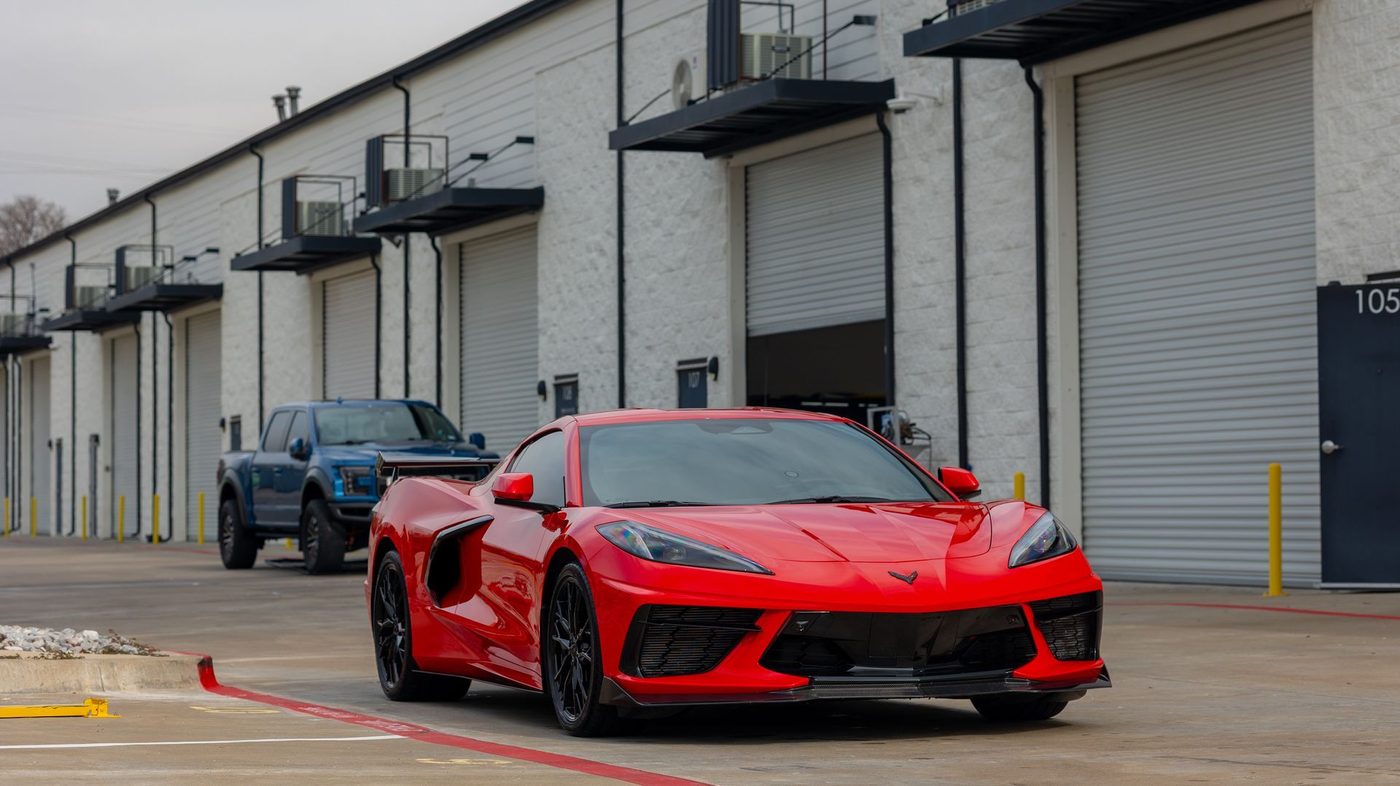
Gold starts at $1,499 and is our best package: the Silver hybrid with concentrated graphene built into the formula. The graphene adds significant UV resistance to every treated surface, which mitigates oxidation and preserves the paint underneath, and it increases how hard the coating grips your clear coat. Under North Texas sun, UV resistance is not a luxury feature — it is the thing that decides whether a dark car still looks deep late in the coating’s life.
Bird droppings are the test your coating actually has to pass
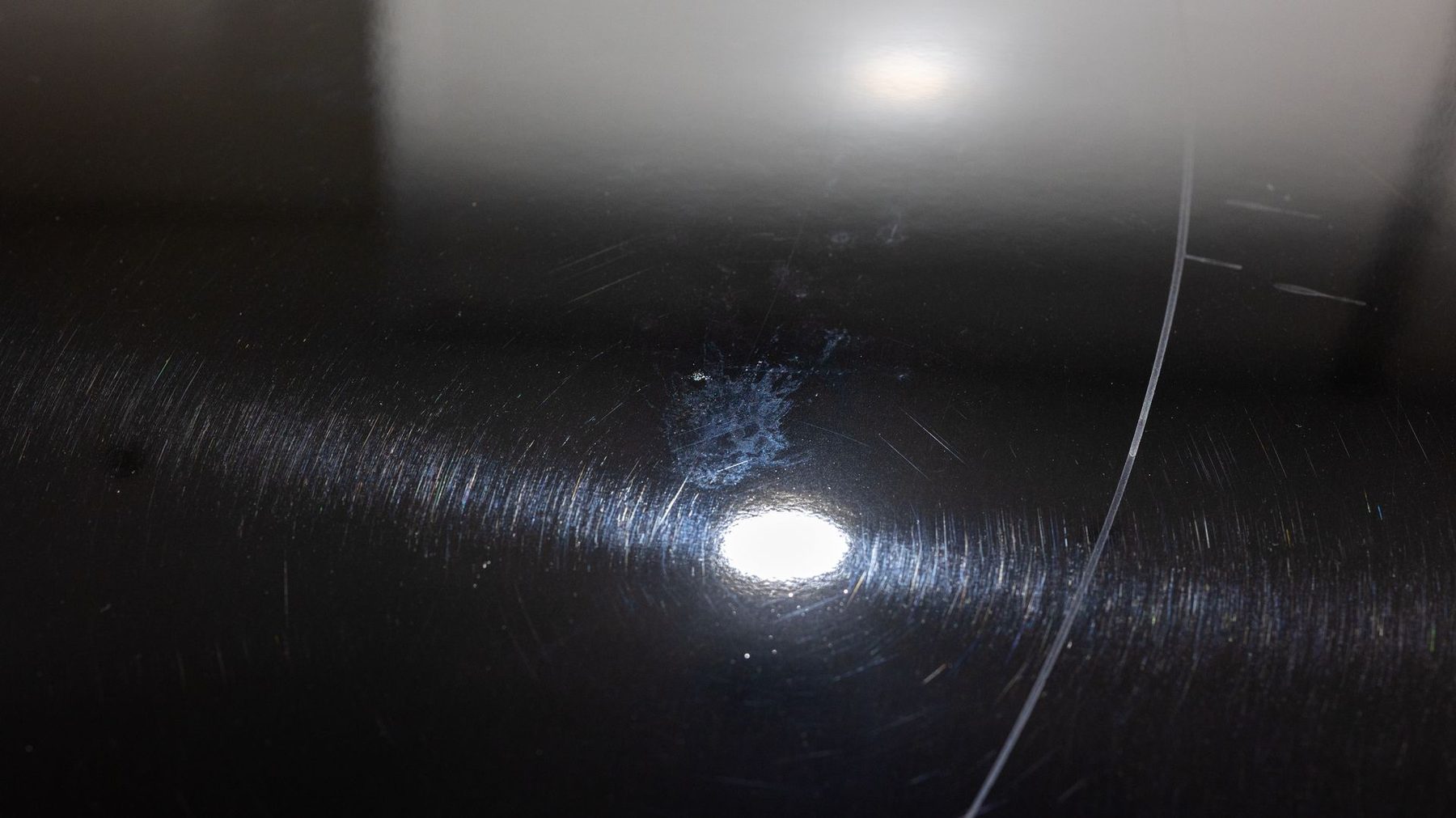
Left unattended, bird poop and bug guts etch into clear coat, and once the clear coat is etched the finish is unrepairable. The culprit is pancreatin, the main digestive enzyme in bird droppings. Our Silver and Gold packages are specifically formulated to mitigate it. This is the single most useful thing to understand about coating tiers: you are not buying gloss, you are buying the number of hours a dropping can sit on your hood on a 100-degree afternoon before it costs you a panel.
The three habits that shorten a coating’s life
- Automatic brush washes. Soft-touch tunnels are never safe for paint, coated or not. They introduce scratches and swirls and they grind down a coating faster than anything else you can do to it. A touchless wash will do just fine to get you by, and there are a few around DFW if you look.
- Washing wrong by hand. A hand wash using the two-bucket method is what the coating is designed around — one bucket of soap, one to rinse the mitt, so you are not dragging the grit you just removed back across the panel.
- Letting contamination sit. The coating buys you time, not immunity. Bird droppings, bug guts, tree sap and hard water spots rinse off a coated car easily while they are fresh, and all four of them fight back once they have baked on.
Does the paint need work before coating?
A coating locks in whatever is underneath it, so on a used car paint correction comes up first. Swirl marks, embedded water spots, scratches and light oxidation all want to be out of the paint before anything seals over them — Stage 1 paint correction starts at $499 and Stage 2 at $999, and not every used car needs either one. New cars are the easier case: coat early and there is nothing to correct. Either way, most ceramic coating jobs run two to four days once correction is in the mix.
So which tier should you buy?
Be honest about how you wash the car, and the tier picks itself. Wash every other week and Bronze will serve you. Wash when you get around to it and Silver is the one that will still be working years later. Park outside, drive a dark car, or plan to keep it a long time, and Gold’s UV resistance is what you are actually paying for. You are only going to do this once — tell us the car and how it lives, and we will tell you which one it needs.
Want this on your car?
Pick your service and your time, or call the shop and talk it through first.