
/ Guides · Humble Crew Auto Spa
How Much Does PPF Cost in Plano, TX?
Humble Crew Auto Spa·
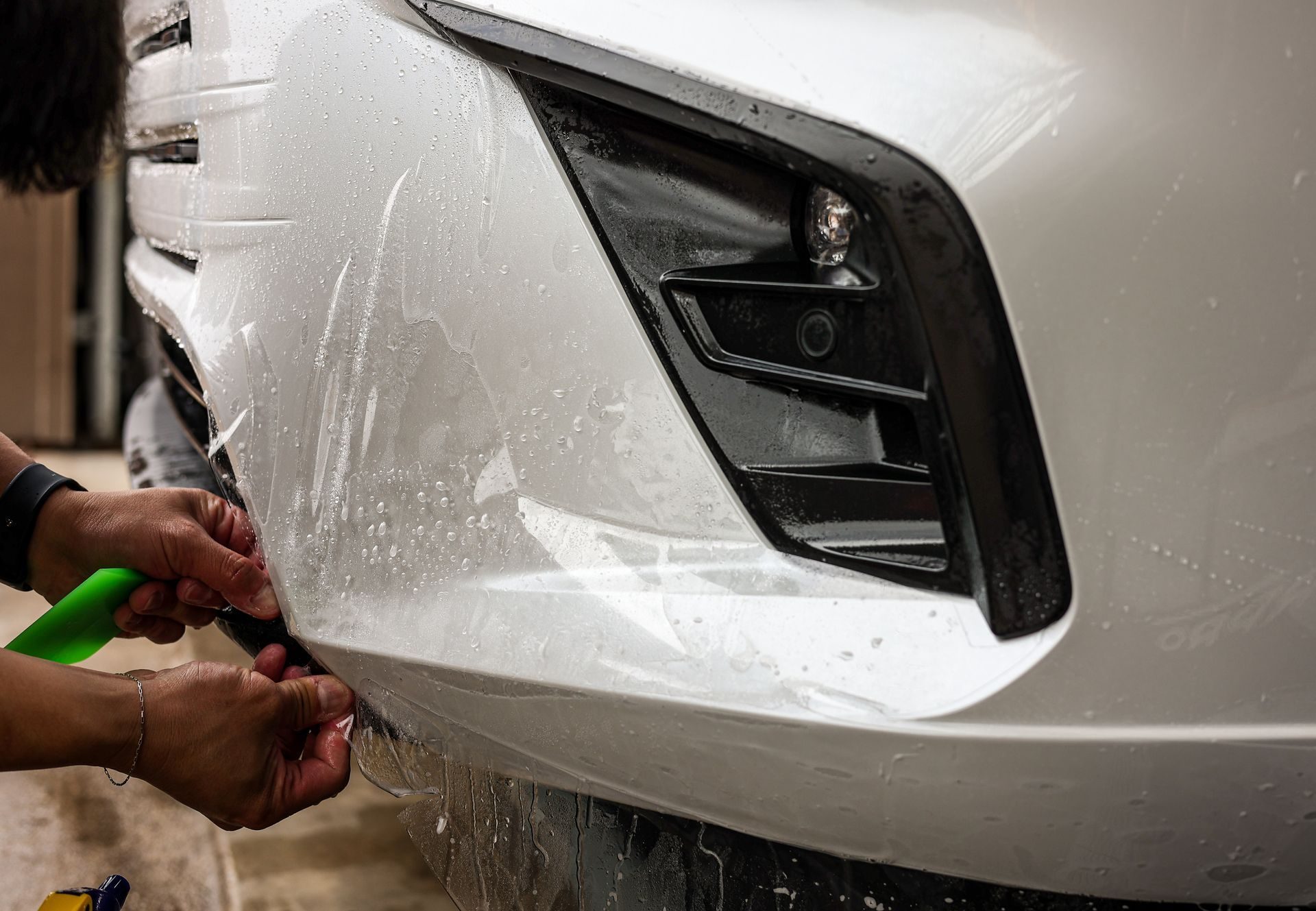
It is the first question almost everybody asks, and the honest answer is that paint protection film is priced by how much of the car you cover — not by the hour and not by the panel. Once you know the four coverage levels, the number stops being a mystery.
Here is what each level costs at our shop in Plano, what is actually included, and the handful of things that move the price on a specific car.
The four coverage levels
Every paint protection film quote we write starts from one of these four. They are cumulative — each one is the level below it plus more of the car.
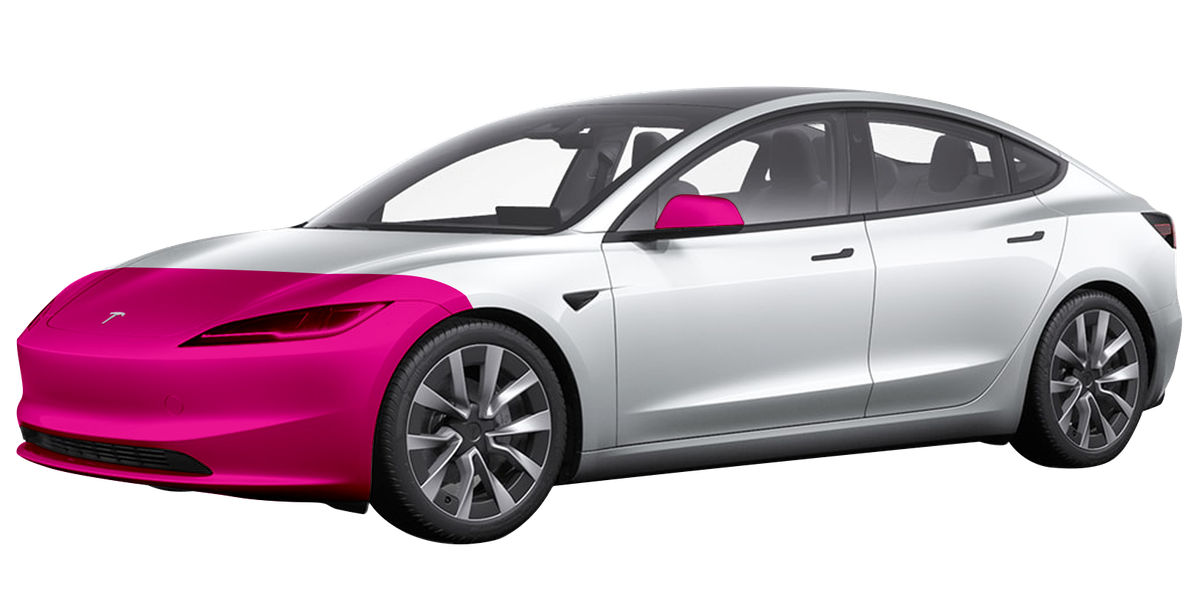
Partial Front starts at $1,250 and covers the front bumper, partial hood and partial front fenders. This is the classic “clear bra”: it protects the panels that take almost all of the highway damage, and it is the cheapest way to stop rock chips. The trade-off is a visible film edge part-way up the hood and fenders.
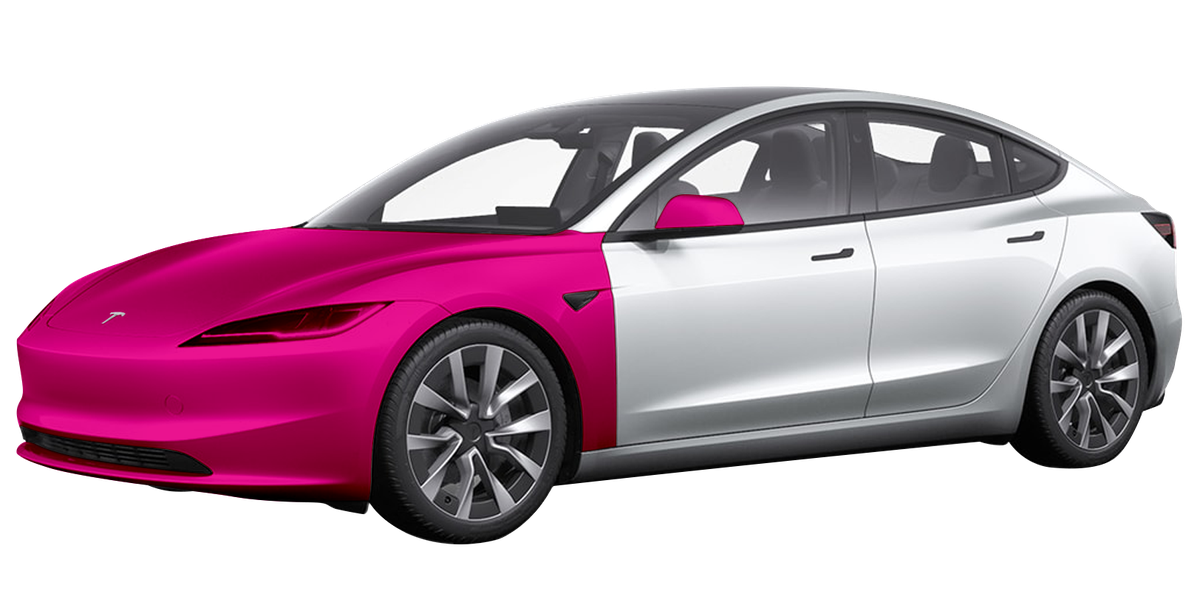
Full Front End starts at $1,999 and covers the full hood, full front fenders, front bumper and mirror caps. This is the one most people land on — we install more than six of these for every full-vehicle job — and for good reason: because every panel is wrapped edge to edge there is no film line sitting in the middle of your hood. It is the cheapest level that looks like nothing was done to the car at all.
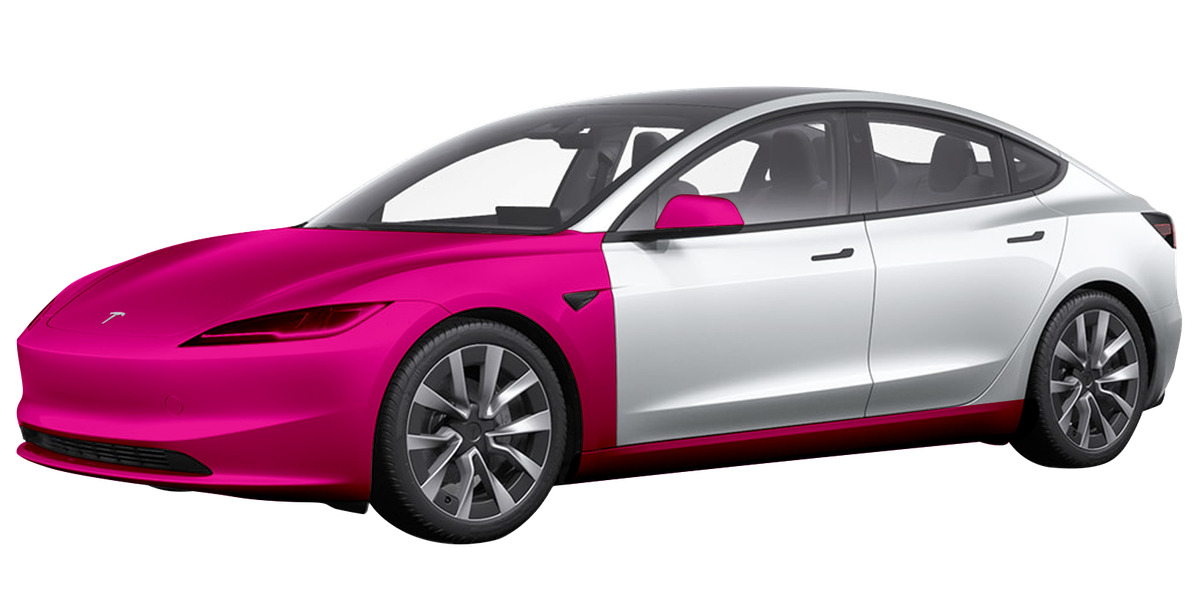
Track Package starts at $2,499 and adds side skirts to the full front end. Side skirts and rocker panels get sandblasted by everything your front tires throw back, which is why this is the level we point track-day and high-mileage highway cars at.
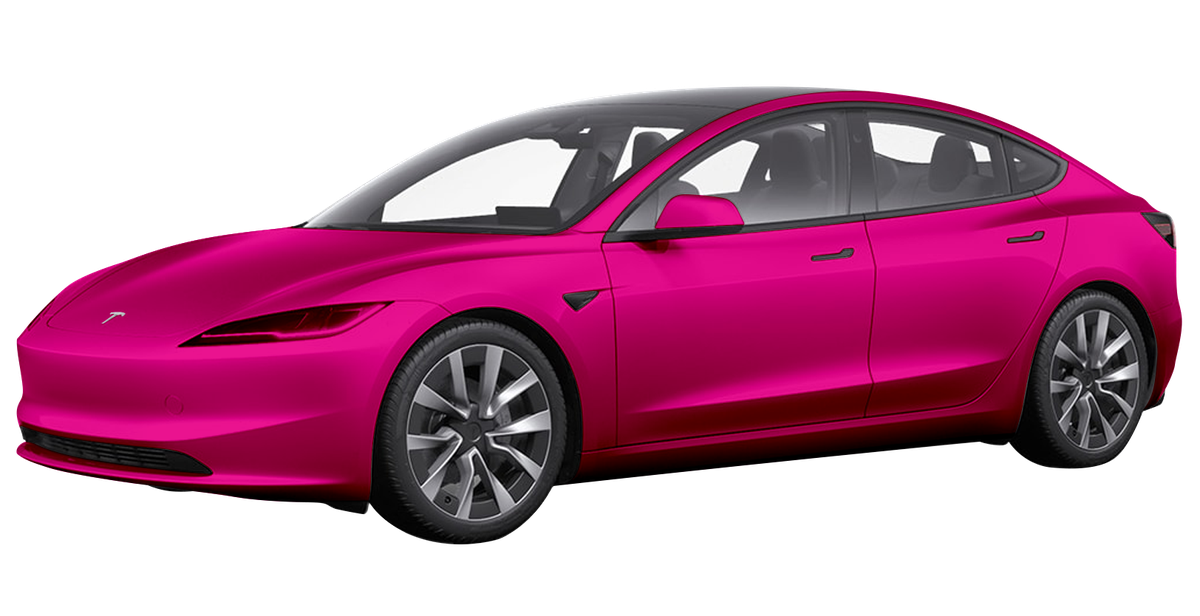
Full Vehicle starts at $5,499 and covers every painted panel: hood, front fenders, front and rear bumper, mirror caps, full rear fenders, all doors, roof and trunk. Door edges, door cups and the area behind the rear wheels are the spots owners regret leaving bare, and this is the level that gets them.
What moves the price on your car
Those are starting prices, and the reason they start rather than sit still comes down to four things.
- Size and shape. A coupe takes less film than a large SUV or a four-door truck, so the same coverage level costs less on a smaller car.
- Paint condition. Film is clear, so whatever the paint looks like going under it is what you will be looking at for the next decade. On a used car that usually means paint correction first — Stage 1 starts at $499 and Stage 2 at $999 — because sealing swirl marks and scratches under film locks them in.
- How far the install goes. Our installs come tucked: we wrap the film around the perimeter of each panel so no film edge is exposed. On some cars that means removing badges, lights, mirror caps or trim to get the film behind them, and a bespoke full-disassembly install on an exotic is a different job from a standard one.
- Add-ons. Windshield protection film, a ceramic coating over the top, or color change PPF are quoted on top of the coverage level.
What you get at every level
The coverage level changes. These do not.
- A ten-year warranty. Our Ultrafit paint protection film is warrantied against yellowing, cracking and peeling for ten years, and that guarantee repairs and replaces the film for both manufacturing defects and our own craftsmanship.
- A one-time $600 damage credit. If you do catch something that goes through the film, we will remove and replace the film on that panel, up to $600, no questions asked.
- Self-healing film. Ultrafit’s “memory” technology lets the film heal minor swirl marks and scratches on its own — park the car in direct sunlight and they close up.
- It reports to CARFAX, so the work shows up in the vehicle’s history where it protects resale value.
Is PPF worth it against a repaint?
This is the comparison that actually matters, and we are blunt about it on the shop floor: film is not rock-chip proof. Our own cars wear it at the track, where we take rocks at over 100 mph, and they do get peppered. What the film does is take that damage instead of the paint, and when a panel gets bad enough we replace the film on that panel. That beats paying for paint by a large margin — and the film work itself goes on the vehicle’s CARFAX, where it protects resale value.
Should I ceramic coat over the film?
We recommend it. Paint protection film is very UV and stain resistant on its own, but a coating on top adds chemical and UV resistance the film does not have, and it makes the film far easier to keep clean. Pairing the two is what our Complete Package does, with full-car coverage starting at $2,990. If you want the long version of that decision, we wrote it up separately.
How long it takes, and how to get a real number
Most paint protection film and ceramic coating jobs take two to four days depending on the vehicle and the level of work. We do not rush it; proper prep and installation are what separate average work from a film that makes it to the end of its warranty.
Prices here are starting points because the car in your driveway is the only thing that sets the real number — its size, its paint, and how much of it you want covered. Tell us the year, make, model and what you are trying to protect it from, and we will tell you which level actually makes sense, not just the most expensive one. We get back to every request within 48 hours.
Want this on your car?
Pick your service and your time, or call the shop and talk it through first.