/ Guides · Humble Crew Auto Spa
How Much Heat Does Window Tint Block?
Humble Crew Auto Spa·
It is too hot in Texas to have bad tint, and it is too easy to buy bad tint, because the specs are written to be confusing. Our top tier rejects 97% of infrared and 72% of total solar energy. Both numbers are true, they describe the same film, and only one of them tells you how the car will feel in August.
Here is what each number actually measures, what our three tiers reject, and why the darkest film on the shelf is not the coolest one.
TSER is the number that matters
Four specs get quoted on window film, and they are not interchangeable.
- TSER — total solar energy rejection. The share of the sun’s entire energy load the film keeps out, infrared and visible light and ultraviolet together. This is the one that predicts how hot the cabin gets, and it is the one to compare between films.
- IR rejection — infrared only. Infrared is the part of sunlight you feel as radiant heat, so this number is useful, but it covers one slice of the spectrum. That is exactly why it is usually the biggest number on the page: a film can reject 97% of infrared and still let plenty of total solar energy through.
- UV rejection — the ultraviolet that fades and cracks interiors and damages skin. Essentially every quality film handles this, ours included, at 99%. It is not a tie-breaker.
- VLT — visible light transmission, which is just how dark the film looks. It is a legal and privacy spec, not a heat spec.
If a shop leads with IR rejection and will not tell you the TSER, that is the whole story about the film they are selling.
What our three tiers reject
We carry three tiers of Ultrafit window tint, each with their distinctive advantages. The spread between them is heat, not darkness.
- Ultrafit Vivid Comfort — starts at $199. 52% TSER, IR heat rejection up to 65%, 99% UVA/UVB protection. Quality tint at an affordable price.
- Ultrafit Vivid Forte — starts at $249. 62% TSER, IR heat rejection up to 88%, 99% UVA/UVB protection. Nano-ceramic technology, and increased safety and privacy.
- Ultrafit Vivid Signature — starts at $299. 72% TSER, IR heat rejection up to 97%, 99% UVA/UVB protection. Intense glare reduction, and it mitigates interior fading and cracking.
Read those three TSER numbers next to each other and the upgrade path is obvious: Comfort to Signature moves total solar rejection from 52% to 72%, for $100 on the entry package. In a Plano summer that is the difference you feel on the drive home, not a number on a brochure.
Darker is not cooler
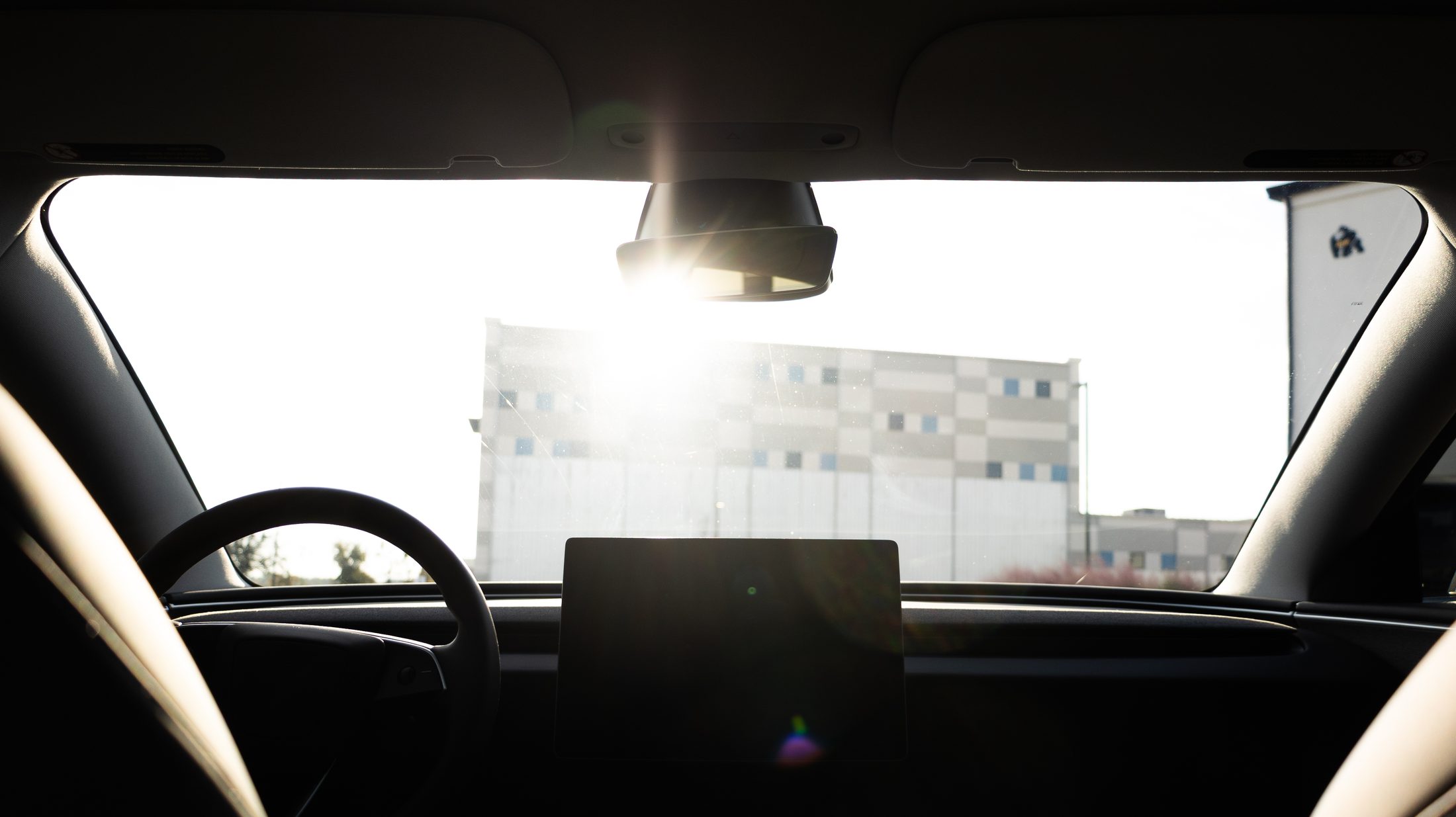
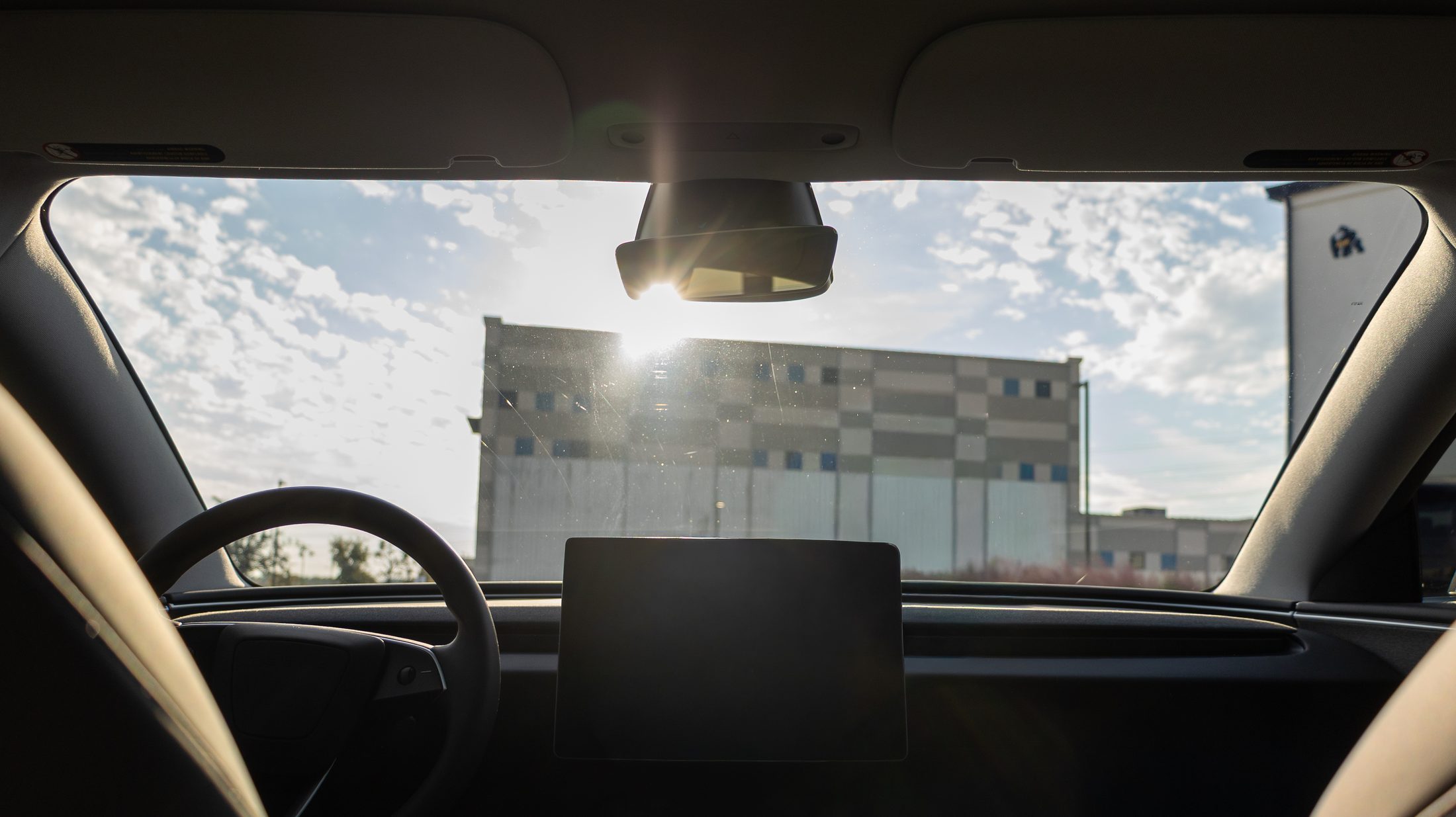
This is the myth that costs people the most money. Darkness is VLT and heat rejection is TSER, and they are separate properties of the film. Our own lineup proves it: all three tiers come in the same range of shades, and they reject 52%, 62% and 72% of total solar energy. Same darkness, twenty points of heat apart.
Which means a cheap limo-dark film can leave your car hotter than a light ceramic film, while also making it harder to see out of at night. Buy the TSER and then pick the shade you want separately — in that order.
How dark you are allowed to go in Texas
There are specific limits on how dark tint can be, and they differ by window, which is why the honest answer to “how dark can I go” depends on which glass you mean. Our standard install is 25% on the sides and back with 50% in the windshield, and the lineup runs darker than that — all the way to limo at 5%. Tell us the look you want and we will tell you where it is and is not allowed; every install we do complies with Texas requirements while still delivering the best performance we can get you.
In practice 25% is less dramatic than it sounds. In the shop it looks dark; out on the road it is quite modest — dark enough for the privacy you are looking for without compromising what you can see at night.
The windshield is the upgrade people forget
The windshield is the largest piece of glass on the car and the one pointed at the sun for most of a Texas commute, and it is quoted separately from the sides and back. A film in the windshield cuts glare significantly, which means that when the sun is in your eyes it is not going to blind you completely — that is a safety and visibility improvement, not just a comfort one. And because it is the biggest piece of glass aimed at the sun, it changes how the cabin feels more than any other single window.
What tint protects besides you
Window tint mitigates up to 97% of harmful UV rays, which protects furnishings, flooring and artwork from fading and sun damage — and in a car, it protects the dash, the door cards and the leather. On the German cars we see most, that premium leather and its stitching is exactly what the sun goes after first, and our Signature tier specifically mitigates interior fading and cracking.
How long it lasts, and how long it takes
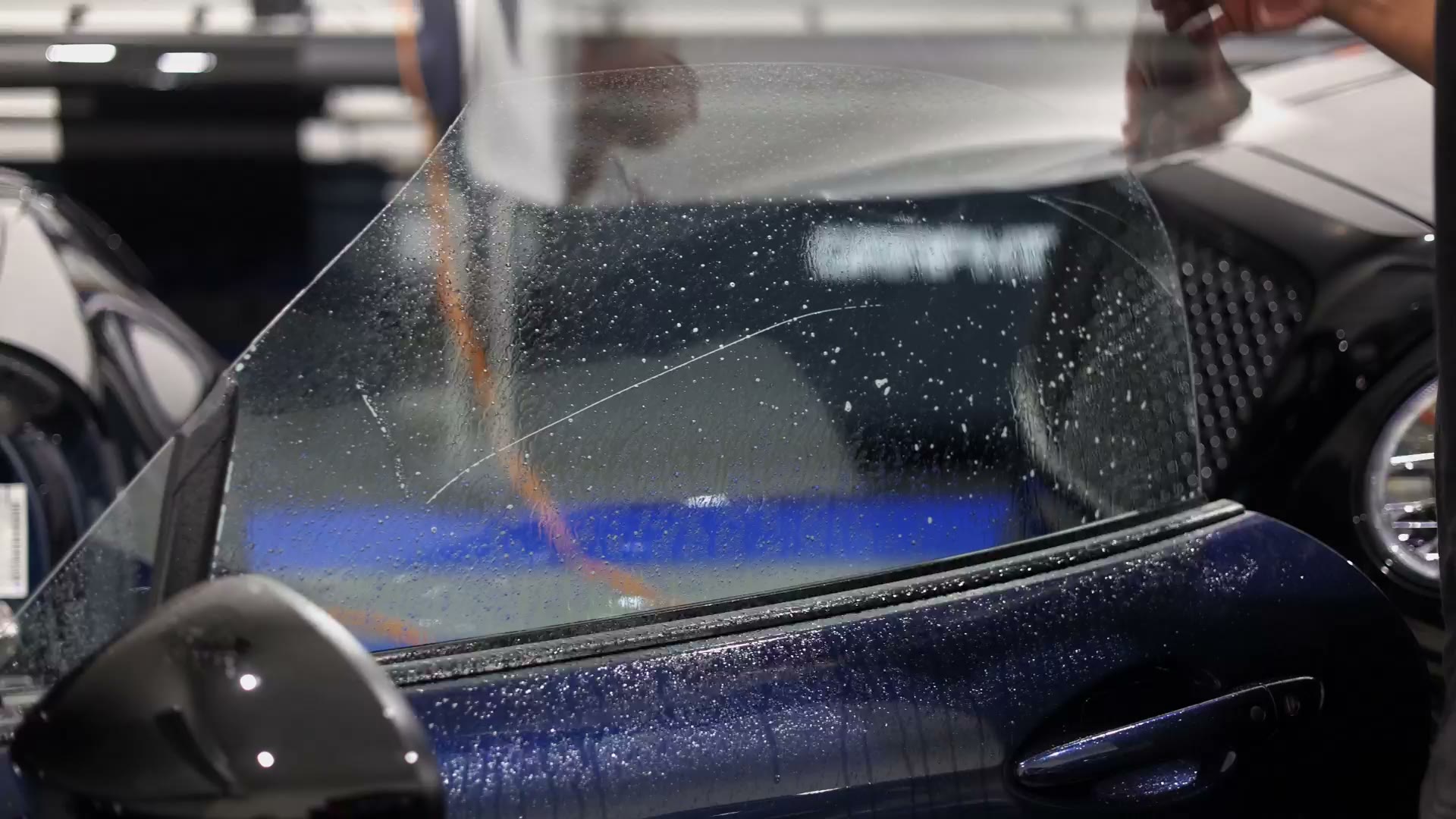
High-quality window tint can last five to ten years or more. Longevity depends on the film quality and on proper installation, which is why we use professional-grade materials and why our prep work is the part we are proud of — the cleaning process happens immediately before the film goes on, and we shield your interior and electronics from the water used during the installation.
Our average wait is only an hour and a half, so most customers stay in the lounge with our wifi and get some work done rather than arranging a ride. Tell us the car and whether you are optimizing for heat, glare or privacy, and we will tell you which tier gets you there.
Want this on your car?
Pick your service and your time, or call the shop and talk it through first.